
Press Esc to close
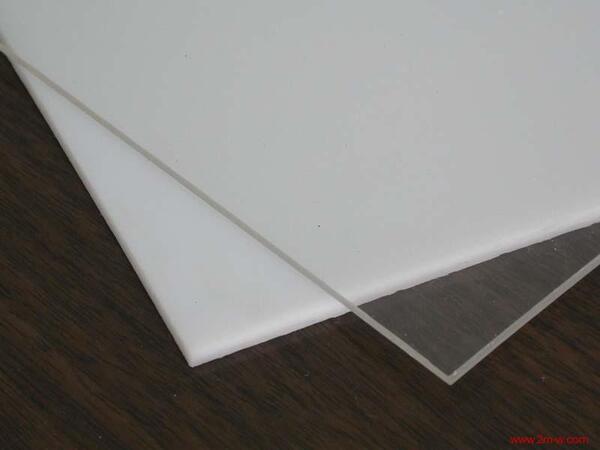
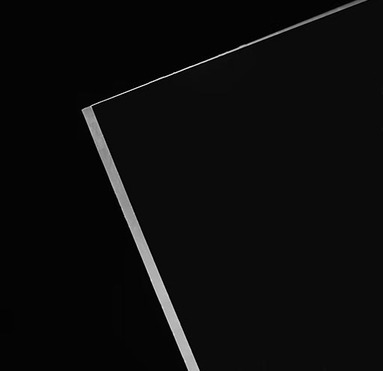
ESD polycarbonate and ESD PMMA sheets are engineered plastic panels with a permanent anti-static surface coating that prevents static charge accumulation. Standard plastics generate and hold static electricity through tribocharging; ESD sheets safely dissipate charges when properly grounded, protecting sensitive electronic components from electrostatic discharge damage.
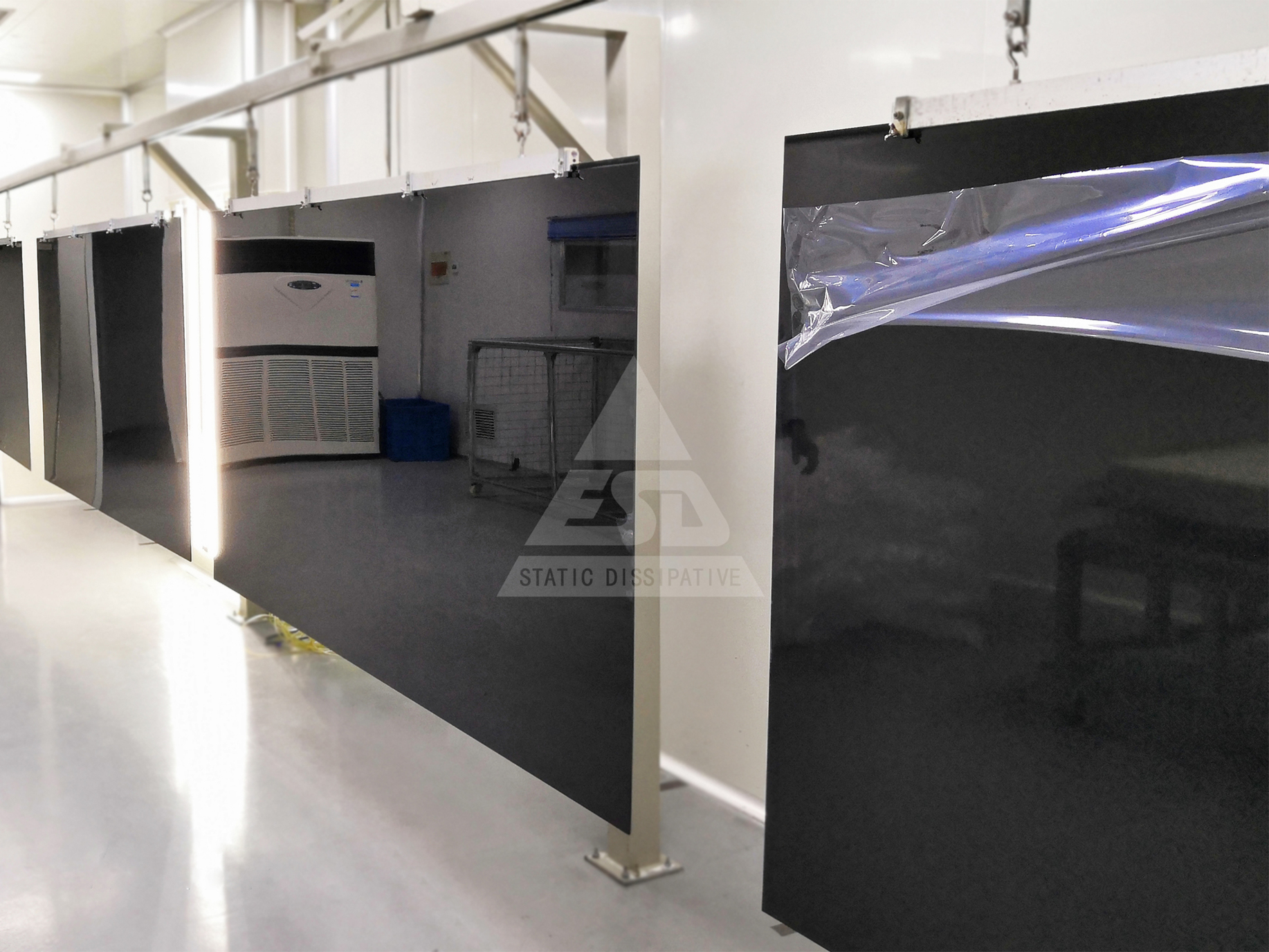
At VIIST, we apply the anti-static functional coating in-house, ensuring uniform surface treatment without conductive discontinuities or “hot spots.” Sheets are then precision-fabricated to your drawings, available as OEM semi-finished parts or fully assembled finished products.
ESD Polycarbonate vs. ESD PMMA — Which Sheet Is Right for Your Application?
| Consideration | ESD Polycarbonate (PC) | ESD PMMA (Acrylic) |
| Impact resistance | Superior — 250× stronger than glass; ideal for machine guards and protective covers | Moderate — suitable for non-impact applications |
| Optical clarity | Good (≥85%) | Excellent (≥90%); superior visual clarity |
| Chemical resistance | Better for industrial solvents and cleaners | Good for cleanroom and mild chemical environments |
| Temperature range | -40°C to +120°C | -40°C to +80°C |
| Thermoforming | Formable; coating withstands heat bending | Coating may limit heat-forming; check with our engineers before designing curved PMMA parts |
| Best for | Machine guards, equipment covers, impact-prone enclosures | Cleanroom windows, display panels, non-structural covers |
Features & Benefits of VIIST ESD Sheets
From ESD Sheet to Finished Part — Our OEM Services
| Service | Description |
| In-house anti-static coating | Permanent functional coating on PC or PMMA substrate; single or double-sided |
| Drawing-based fabrication | CNC cutting, routing, drilling, and milling from DXF/DWG/STEP files |
| Thermoforming | Heat bending and drape forming for curved covers and guards (PC recommended) |
| OEM semi-finished parts | Coated and cut sheets ready for your downstream assembly |
| Finished assembly | Hardware installation, edge finishing, and packaging |
| Quality testing | Surface resistivity, dimensional inspection, coating adhesion |
FAQ
Q1: What is the difference between ESD polycarbonate and ESD PMMA?
ESD PC offers higher impact strength and a wider temperature range, making it suitable for machine guards and industrial covers. ESD PMMA provides superior optical clarity and is preferred for cleanroom windows and display applications.
Q2: Is the anti-static coating permanent?
Yes. The coating is permanently bonded to the sheet surface and does not wash off or require reapplication.
Q3: Can you fabricate ESD sheets to our drawings?
Yes. Send your 2D/3D files (DXF, DWG, STEP, IGES) or a physical sample. We provide DFM feedback and a quotation.
Q4: Can ESD PMMA sheets be heat-formed?
The hard cross-linked coating may limit heat-forming of PMMA. For curved or thermoformed parts, we recommend ESD polycarbonate. Consult our engineers before designing formed PMMA components.
Q5: Do you offer OEM semi-finished parts?
Yes. We supply coated and cut ESD sheets ready for your downstream processing, as well as fully assembled finished products.
Custom ESD polycarbonate and PMMA sheets with permanent anti-static coating (10⁶–10⁹ Ω/sq). In-house coating, CNC fabrication, OEM assembly. PC vs PMMA selection guide. ISO 9001.
Get a quote.Discover more products you might like


