Display Cover Materials 101: What are the pros, cons, and use cases for every substrate?
Your product needs a display cover glass but breaks easily. You waste money on the wrong material. Learn how to pick the perfect substrate for your specific product needs.
Plastic covers like PC and Acrylic offer high impact resistance and shape flexibility. Glass provides unbeatable hardness and clarity. PC/PMMA composite boards combine safety with premium scratch resistance. Your choice depends entirely on outdoor use, impact risk, and product budget.
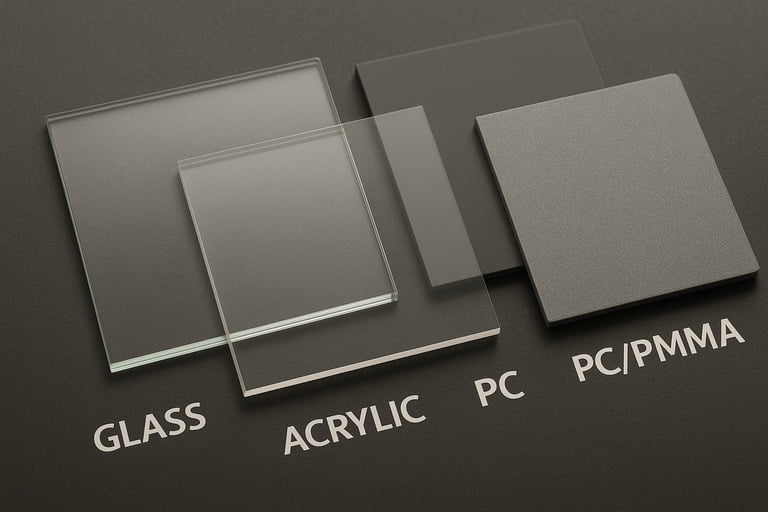
Many people think glass always means high-end and plastic always means cheap. This wrong idea will ruin your outdoor security product. I will show you the real facts about these materials below.
Why do people confuse Polycarbonate and Acrylic when choosing plastic covers?
Your plastic screen scratches quickly or shatters under pressure. You picked the wrong clear plastic. You must know the exact differences between PC and PMMA.
Polycarbonate handles heavy impacts and heat but scratches easily. Acrylic offers better optical clarity and natural hardness but breaks like glass under pressure. You must add a hard coating to PC. Acrylic works best for indoor displays.
You need to choose between injection molding and extrusion. Injection molding machines melt the plastic. They push the plastic into a mold. This process lets us create any shape. We have unlimited options for your design. But this fast process leaves rainbow marks inside the material structure. We call this visual effect birefringence.1 The extrusion process works differently. The machine pulls the plastic through a flat die. This extrusion process gives us very clear flat sheets. The shape options are entirely limited here. You can only get flat boards.
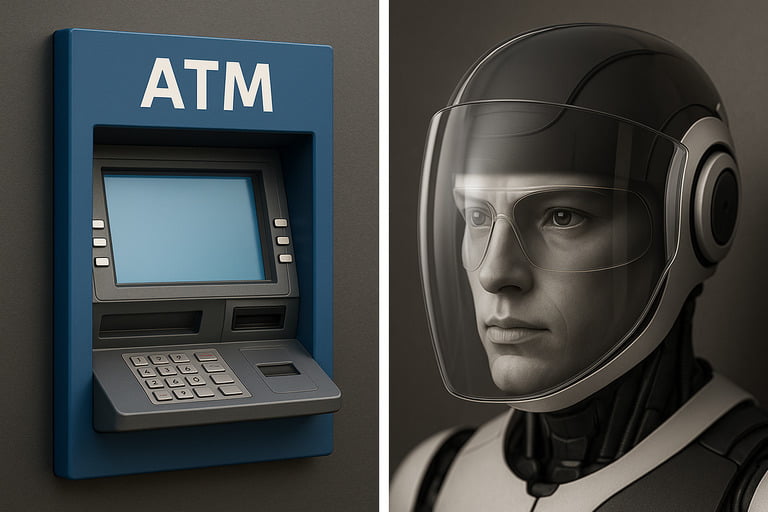
I started my career at an optical polycarbonate manufacturing plant. I know these plastics very well. PC is an incredibly tough material. PC has great heat resistance for hot environments. PC has high impact resistance for strong hits. We use PC for security equipment visors. We use it for outdoor explosion-proof products. The big problem with PC is its soft outer surface. PC scratches very easily from dust and wiping. We always apply a hard surface coating treatment to PC. This clear coating stops the daily scratches.
Acrylic is completely different. Manufacturers also call acrylic PMMA. PMMA gives you amazing optical clarity for screens. It has better natural hardness than PC. A hard-coated acrylic piece feels very premium to the touch. But PMMA is a brittle material. It cracks easily upon impact from a drop. It lacks the high crash safety of PC. We use acrylic for indoor decoration covers. We use it for simple indoor display cases. You must pick the right plastic based on your product environment.
| Feature | Polycarbonate (PC) | Acrylic (PMMA) |
|---|---|---|
| Hardness | Low (needs hard coating) | High (naturally scratch resistant) |
| Impact Resistance | Very High (unbreakable) | Low (brittle, cracks easily) |
| Optical Clarity | Good | Excellent |
| Best Application | Outdoor security visors | Indoor display screens |
How does a PC/PMMA composite board solve the scratch and impact problem?
You want a screen that survives drops but looks perfect without scratches. Standard single plastics fail this test. A composite board gives you the ultimate middle path.
A PC/PMMA composite board combines two plastics into one single layer. The PC inner layer provides massive impact resistance. The PMMA outer layer delivers top surface hardness and light transmittance. This mixed material gives your product a high-end look and extreme durability.
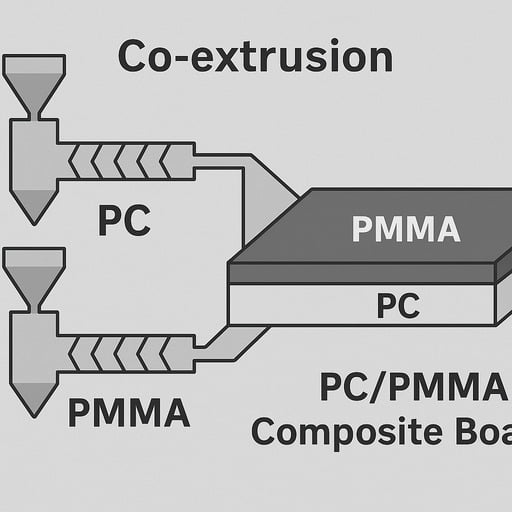
You face a tough choice during a premium device build. You need the extreme toughness of PC for safety. You also want the clean beauty of glass or PMMA for the users. You do not want to choose just one feature. A PC/PMMA composite board gives you the perfect middle path.
We make this material by tightly fusing two plastic layers together. We put the strong PC layer on the bottom. This bottom PC layer acts like a shield. It absorbs big heavy shocks from accidents. It stops the display screen from breaking into pieces. We put the clear PMMA layer on top. This top PMMA layer fights off daily scratches from fingers and keys. It lets maximum light shine right through to the user.
I often recommend this special composite material to my clients. They build high-end security robot face masks. These robots move around busy people every single day. A fast impact shatters standard glass easily. An impact shatters standard acrylic fast. Pure PC looks cheap quickly if you leave it alone. Pure PC scratches easily during routine daily cleaning. The composite board completely solves both issues at the same time. It is the most cost-effective mix for modern tech products. You balance appearance and physical strength perfectly. You get the premium look of a hard touch display. You also get the tough safety rating of industrial protective gear.
| Material Layer | Primary Benefit | Functional Role |
|---|---|---|
| PMMA (Top Layer) | High hardness and transparency | Fights scratches, improves display clarity |
| PC (Bottom Layer) | High impact resistance | Prevents cracking, ensures physical safety |
| Composite Panel | Balance of look and strength | Best for high-end robots and medical devices |
When should you use glass covers and how do we bend them?
Your luxury interactive panel feels cheap to the touch. Plastic just ruined your premium design. Glass gives you the ultimate high-end feel and perfect light transmission.
Display cover glass uses materials like soda-lime or alumino-silicate glass. We use chemical strengthening to make the glass hard.2 Glass offers superior clarity and scratch resistance for mobile screens and car centers. We use cold or hot bending processes to create curved screen designs.
Glass remains the top choice for total optical clarity. We mainly use two types of glass for display covers at our factories. We use soda-lime glass for basic daily needs. People commonly call this electronic glass. We also use alumino-silicate glass for much stronger needs. Glass naturally offers great light transmittance. Glass has a very hard surface naturally.
But standard original glass still breaks under physical pressure. We must put the raw glass covers through a chemical strengthening process. This chemical bath hardens the glass deeply inside. We change the surface chemistry. We use this tough processed glass for mobile phone screens. We use it for car center consoles. We use it for luxury interactive panels.
Flat glass is easy and fast to manufacture. Curved glass is much harder to make properly. We use two main ways to bend glass covers today. The first way is cold bending. We push a flat glass sheet down into a curved metal frame. We do this at normal room temperature. This cold process is cheap. This cold process severely limits the curve depth. The second way is hot bending. We heat the glass inside a special heated metal mold. The glass softens and melts into the exact mold shape. We then cool it down very slowly to prevent cracks. Hot bending creates beautiful extreme 3D curves.
| Glass Process | Operating Temperature | Best Use Case | Cost Level |
|---|---|---|---|
| Flat Glass | Normal room temperature | Standard mobile screens, flat panels | Low |
| Cold Bending | Normal room temperature | Slight curves, smartwatch screen faces | Medium |
| Hot Bending | Very high (melting point) | Deep 3D automotive dashboard covers | High |
Glass is wonderful for these indoor screens. But you should never use glass for an outdoor security robot. One single drop shatters the glass completely. PC remains a much more reliable choice for rough products.
There is no single best material. Choose glass for luxury, pure PC for heavy impact, or composite boards for balanced safety. Pick the right substrate for your exact operating environment.
"Analysis of the Stress Field in Photoelasticity Used to Evaluate the ...", https://pmc.ncbi.nlm.nih.gov/articles/PMC10457776/. An optics or polymer-processing source can explain that residual stresses and molecular orientation in molded transparent polymers can cause birefringence, observed as colored or rainbow-like patterns under polarized light. Evidence role: mechanism; source type: education. Supports: Injection molding can leave internal optical effects known as birefringence in transparent plastic parts.. Scope note: The source would explain the mechanism generally; the visibility of rainbow marks in a product depends on geometry, molding conditions, and viewing setup. ↩
"Chemical Strengthening of Glass", https://www.lehigh.edu/imi/teched/GlassProcess/Lectures/Lecture27_Varshneya.pdf. A glass-science source can explain that chemical strengthening typically uses ion exchange to create surface compressive stress in glass, increasing resistance to scratching and fracture initiation. Evidence role: mechanism; source type: paper. Supports: Chemical strengthening is used to increase the hardness and damage resistance of display cover glass.. Scope note: Chemical strengthening improves damage resistance but does not make glass unbreakable, and effectiveness depends on glass composition and process parameters. ↩