Polycarbonate windproof goggles: 5 things every designer should know before production?
You design beautiful curved goggles. Your factory says the injection mold will cost a fortune and fail. You must understand production rules to save your project immediately.
Designing for manufacturability reduces expensive tooling costs and stops injection defects. You must design tapered non-uniform thickness, set exact optical targets early, define physical impact tests, plan your surface coatings, and choose color tinting methods to ensure high yields.
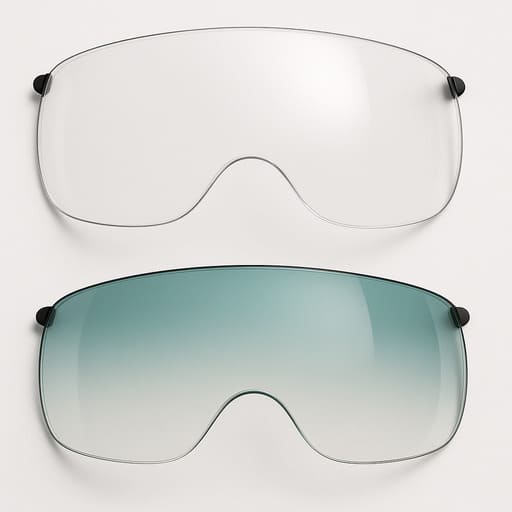
You must read these exact five design rules below if you truly want a perfect and highly profitable manufacturing run.
Why does lens thickness dictate optical clarity and injection molding cost?
You draw a thick uniform lens on your computer. The factory produces heavy lenses with terrible vision. You must taper your thickness to fix this problem entirely.
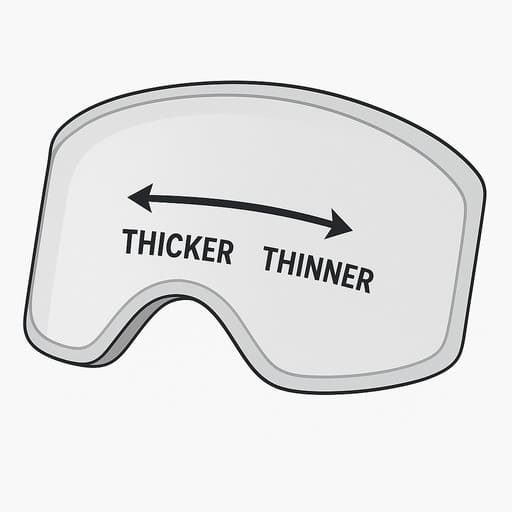
Standard goggle lenses sit between 1mm and 3mm for a perfect balance. Extremely thick lenses over 3mm cause massive injection shrinkage marks, trap bubbles, and distort light heavily. You must strictly taper curved lenses from a thick center to a thin edge.
How do we design perfect lens thickness?
I learned a massive lesson during my early days at an optical polycarbonate manufacturing plant. A designer sent me a perfect computer drawing for curved windproof goggles. The lens thickness was exactly 3mm everywhere. This uniform thickness is a terrible trap. I told him we could not use it safely. You leave the thickness uniform on a heavily curved lens. Only the exact center keeps accurate vision then. The curved edge areas cause massive visual distortion. Your eyes feel dizzy instantly.
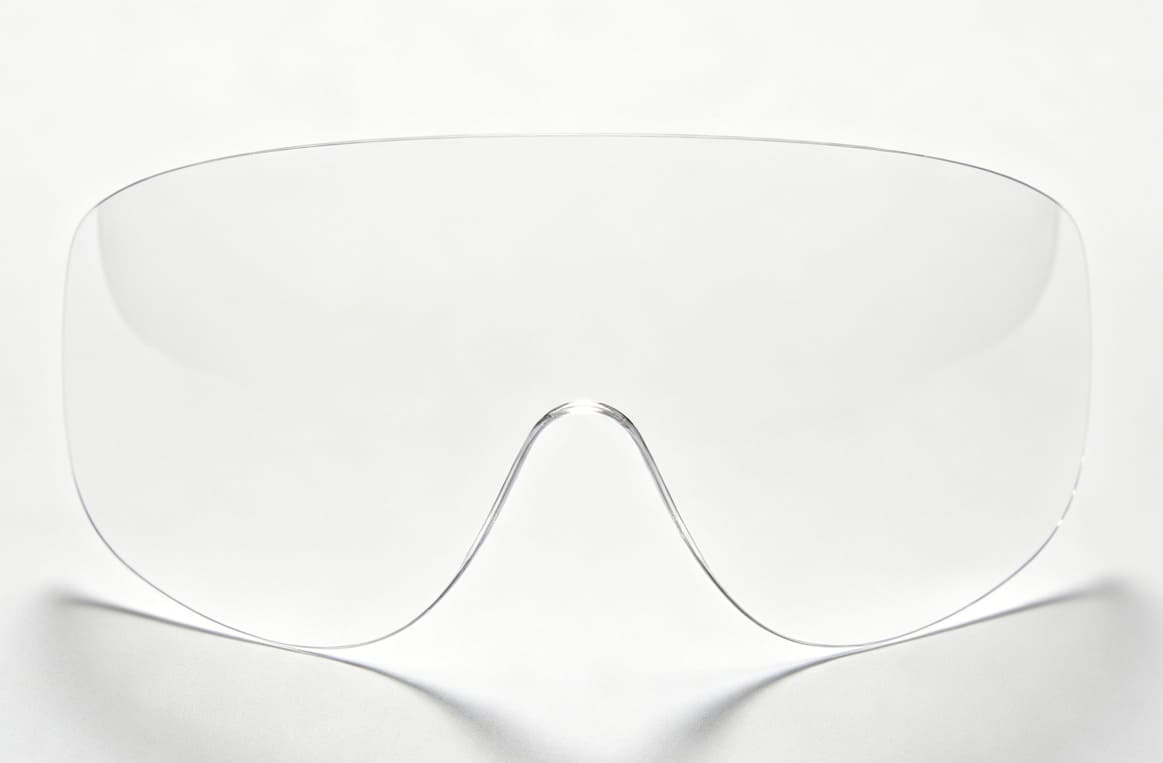
You must use a strict tapered non-uniform thickness design. The thickness must decrease slowly from the center focus point directly out to the far edges. This shape copies how the human eye works exactly. We make a highly popular goggle right now at VIIST. Its center sits at exactly 3mm thick. The far edges thin down to exactly 2.6mm. This fixes the optical distortion completely.
Standard daily sunglasses stay between 1mm and 3mm thick. This balances light weight and strong protection perfectly. Extreme sports and military users demand thick lenses. These thick designs bring huge factory challenges. The hot plastic cools unevenly. The thick plastic creates deep sink marks and traps tiny air bubbles always.
| Lens Thickness Type | Best Application Area | Factory Challenge Level |
|---|---|---|
| Standard (1mm - 3mm) | Daily goggles, light sunglasses | Very Low |
| Heavy (>3mm) | Hockey sports, tough military wear | High (bubbles, sink marks) |
| Uniform Flat | Cheap flat simple windows | Low |
| Tapered Curved | Premium cycling goggles, snow goggles | Needs expensive precise molds |
Always taper your lens thickness outward. You save heavy tooling costs and guarantee perfect vision for your sporting customers.
What exact optical targets decide the fate of your costly injection mold?
You order an expensive steel mold confidently. The final plastic parts fail basic eye vision tests completely. You must lock your optical targets before you start.
Your specific optical needs dictate the exact steel grade and precision of the injection mold. You must deeply define target values for sphere, cylinder, prism, and light transmittance before cutting any metal to guarantee total manufacturing success.

Why do we need strict optical numbers early?
My husband runs a very successful domestic vision inspection company. He rejects bad products every single day. He always tells my clients to lock down their true optical targets first. You must finish this before you design any final goggles. The core measurements decide everything about your expensive factory injection steel mold.
You must know your exact allowed errors for Sphere, Cylinder, and Prism1. The factory uses these exact numbers to pick the right hard mold metal. A strict target forces us to use completely ultra-expensive metal. We must use extremely slow and careful processing times. You must outline these exact targets early. The final plastic part fails basic eye tests completely otherwise. You throw your entire heavy tooling investment straight into the trash.
We push our heavy machines very hard to meet strict global optical standards. We handle tough limits easily at VIIST. But you must be honest about what your customer actually needs to see clearly.
| Optical Measurement | Standard Market Limit | Our VIIST Factory Capability |
|---|---|---|
| Sphere Degree | ±9.00D | ±6.00D limit |
| Cylinder Degree | ±12.00D | ±9.00D limit |
| Prism Degree | (±24, ±24) | (±12, ±12) limit |
Do not guess your safety optical targets. Give us the proper numbers early. We will build the exact mold necessary to make your clear vision real.
How do brutal impact tests force a strict trade-off with perfect optical clarity?
Your extreme sports goggles look completely clear. A flying rock shatters them instantly on the track. You must balance thickness for clear vision against strong physical safety.
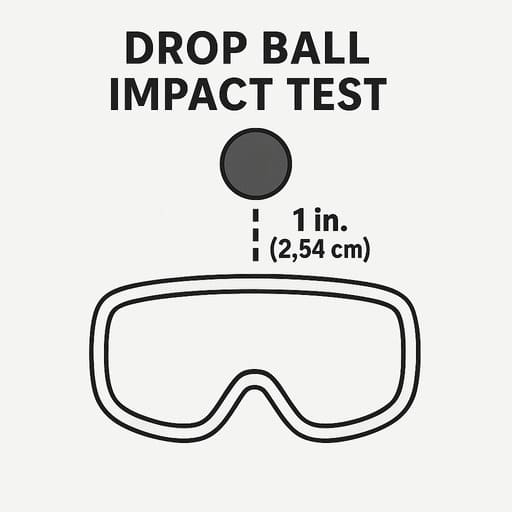
Polycarbonate strongly offers highly tough impact resistance naturally. You must provide exact physical testing standards like drop ball weights or air gun speeds. High impact protection requires thick plastic. Thick plastic hurts optical clarity heavily. You must make a compromise.
How do we test goggle strength properly?
You must run brutal physical impact tests on your new goggles. Polycarbonate plastic provides amazing natural toughness against breaking completely. But different outdoor sports require completely different impact rules. You must pick your specific physical test before we recommend the exact raw material grade.
We generally run two standard tests at VIIST. The first is the heavy Drop Ball Test2. You must tell us the exact weight of the steel ball. You must tell us the exact drop height. The second is the fast Projectile Test3. You must give us the exact air gun speed. You must state the bullet size and the specific shooting distance.
Here is the hardest physical truth you must accept today. You cannot have extreme impact strength and perfect optical clarity at the exact same exact time. Extreme strength requires very thick plastic heavily. Very thick plastic distorts the light moving through it. You must clearly make a strict trade-off. You must decide if perfect vision or massive bullet defense is your true top priority.
| Physical Test Type | Information You Must Give Us | Used Mostly For |
|---|---|---|
| Drop Ball Test | Steel ball weight, high drop distance | Normal daily safety glasses |
| Projectile Test | Air gun speed, specific bullet size | Tough military masks, shooting goggles |
Define your physical tests cleanly early on. We will help you balance the strict line between thick safety and total visual clarity.
Why must you plan functional surface coatings before making the actual mold?
You finish molding massive batches of clear goggles beautifully. The hard coating liquid refuses to stick cleanly to the plastic. You must plan surface chemistry entirely on day one.
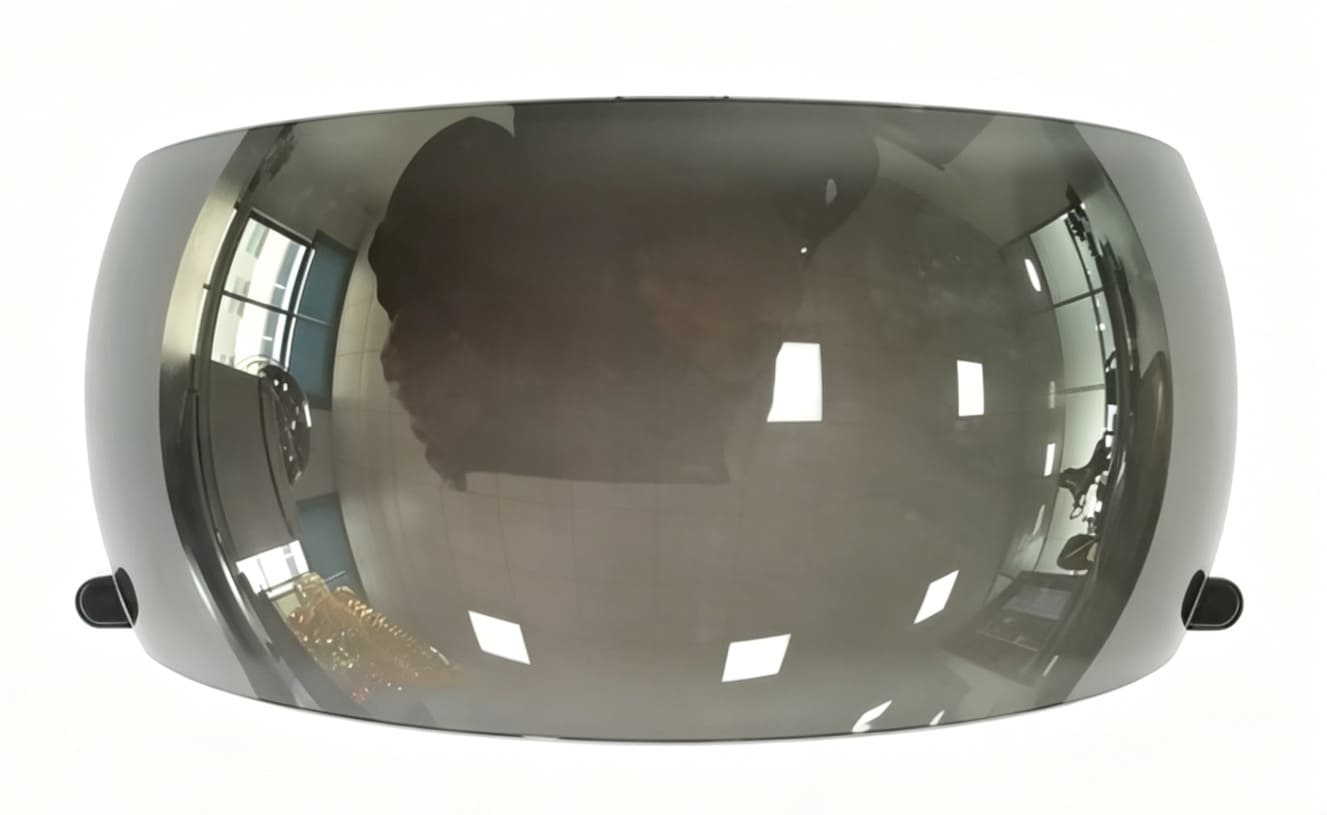
You often need a hard scratch coating outside and a soft anti-fog coating inside. You must clearly decide these functional surface treatments early so your supplier builds compatible coating processes safely. Late changes ruin the optical surface completely.
How do functional coatings change your mold design?
You cannot just print raw bare plastic and ship it to the store. Bare polycarbonate scratches very fast smoothly outside. The inside fogs up completely from your warm wet breath. You must apply functional surface chemical coatings to fix this problem entirely.
You need an anti-scratch hard coating on the outside. You need a strong water-absorbing anti-fog coating clearly on the inside. Sometimes you even need an expensive anti-reflective coating to stop heavy bright sun glare. You must easily plan these chemical layers directly in your simple drawing on the very first day.
Why is this urgent action so important? These wet chemicals need special curing heat heavily. You design a very thin plastic frame blindly. Our hot coating oven easily melts your thin frame parts directly. We must know your exact coating plan early. We build the exact injection process to match it safely. We run fully automated cleanroom production lines mostly. We do the hot plastic injection and the wet chemical coating in one single place. This stops bad factory communication perfectly.
| Functional Coating | Core Real Purpose | Placement location |
|---|---|---|
| Hard Coating | Stops heavy physical scratches | Outside front surface |
| Anti-Fog Coating | Absorbs hot breath moisture | Inside back surface |
| Anti-Reflective | Stops bright sun glare | Usually both sides |
Plan your surface chemistry early. We will match the mold design and the hot curing oven to protect your final shape completely.
How do we cleanly control a perfect twenty percent tint across complex curved lenses?
You want dark cool sunglasses. The factory gives you weird uneven colors on the curve. You must precisely choose the correct coloring method for your exact design goal.
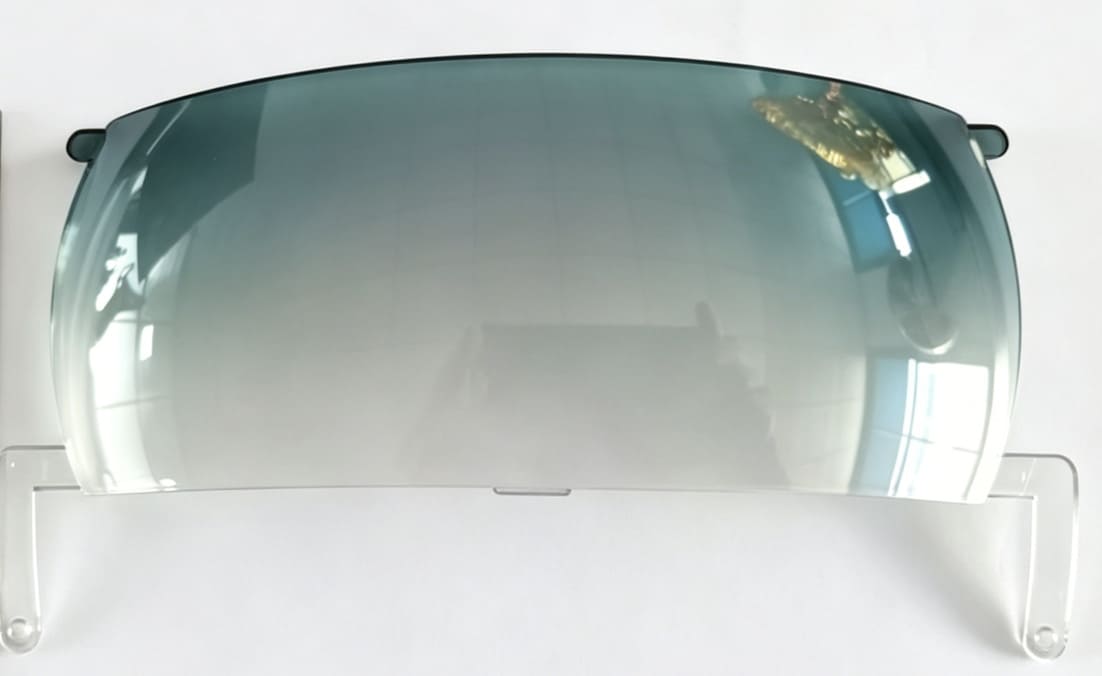
You can mix dark color powder directly into the hot raw plastic for a uniform solid tint perfectly. You can also carefully apply a surface color gradient later. This keeps the bottom perfectly clear and the top totally dark at twenty percent transmittance.
What are the main ways to tint your goggles?
Clients constantly ask me how to make perfectly dark twenty percent tinted lenses. They want the goggles to heavily block strong sunlight easily. Clear plastic is very simple to make entirely. Beautiful colored plastic firmly requires tight chemical control. You have two easy choices to tint your goggles.
First, we can heavily use direct hot color injection. We clearly mix raw dark color powder directly into the hot melted polycarbonate mass. The big machine injects it into the cold mold. The entire lens becomes exactly twenty percent dark everywhere. It stands completely physically uniform.
Second, we can closely apply a wet gradient color outside later. The bottom of the lens stays totally clear for looking correctly down at the dirt ground. The top slowly fades safely into a dark top tint. We calmly hit the exact twenty percent target exactly where your straight eyes look ahead. Dark color matching requires extremely high factory precision. We can achieve both chemical methods perfectly at VIIST.
| Tinting Method | How We Actually Do It | Visual Result |
|---|---|---|
| Direct Injection | Mix raw color powder into hot plastic | Same dark color firmly everywhere |
| Surface Gradient | Apply wet chemical dip later | Clear clean bottom, dark safe top |
Bring your dark color ideas to us openly. We will use the best chemical method to hit your strict light transmission targets correctly.
Evaluate your goggle design deeply with a professional factory supplier early. This saves money quickly, improves yield heavily, and completely guarantees high-quality optical curved goggles.
"Eyeglass prescription - Wikipedia", https://en.wikipedia.org/wiki/Eyeglass_prescription. An ophthalmic optics reference should define sphere, cylinder, and prism as standard measures of refractive power, astigmatic power, and prismatic deviation in lenses. Evidence role: definition; source type: education. Supports: Sphere, cylinder, and prism are standard optical measurements used to evaluate lenses.. ↩
"Statistical procedures for impact resistance testing at increased drop ...", https://pubmed.ncbi.nlm.nih.gov/8539024/. A protective-eyewear testing standard or government safety document should support that drop-ball or ball-impact tests are used to assess the impact resistance of safety lenses. Evidence role: case_reference; source type: institution. Supports: Drop-ball testing is a recognized method for evaluating eyewear impact resistance.. Scope note: Test mass, height, and acceptance criteria differ among ANSI, EN, ISO, and national standards. ↩
"Ballistic eyewear - Wikipedia", https://en.wikipedia.org/wiki/Ballistic_eyewear. A protective-eyewear standard should support that high-velocity projectile or ballistic-impact tests specify projectile size, velocity, and impact conditions for eyewear protection assessment. Evidence role: case_reference; source type: institution. Supports: Projectile testing is a recognized method for evaluating high-impact eyewear protection.. Scope note: Civilian safety-eyewear tests and military ballistic tests use different projectiles and performance criteria. ↩