Hard coating on PC sheet — from scratch protection to chemical resistance, everything you need to know before ordering?
You buy anti-scratch clear polycarbonate sheet for your screens. They scratch instantly during normal daily use. You must apply a tough hard coating to protect your expensive plastic completely.
Hard coating adds a transparent, high-hardness chemical layer onto soft polycarbonate plastic. This tough layer massively increases scratch resistance and blocks chemical damage completely1. It perfectly preserves the original natural impact strength and clear optical visibility of the raw plastic base.
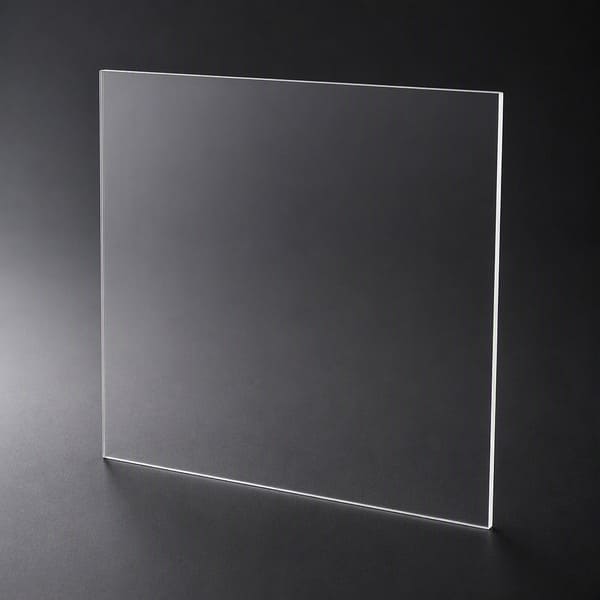
You must read these exact technical rules below if you want your clear plastic products to survive brutal daily use safely.
Why do different chemical coating formulas change your final product durability completely?
You pick a random hard coating liquid blindly. The plastic melts or fails outdoors fast. You must match the exact chemical formula to your true daily environment firmly.
Chemical formulas decide your exact plastic hardness and chemical resistance completely. We use siloxane for tough wear, fast UV acrylics for heat-sensitive parts, sol-gel hybrids for flexibility, and pure PMMA co-extrusion2 for massive permanent outer hardness safely.
We see many young buyers pick the wrong chemical liquid constantly. They want heavy outdoor scratch protection. They buy a basic soft indoor acrylic coating. The outdoor sun and heavy dirt destroy the plastic in one single week. You must understand the exact chemistry behind the liquid entirely.
We use Siloxane hard coatings heavily at VIIST. This thick organic liquid provides excellent wear resistance naturally. It grabs the clear polycarbonate surface strongly. We also use fast UV-curable acrylic liquids constantly. We flash strong ultraviolet light directly on the wet plastic. The wet liquid cures into hard plastic in two seconds flat. We use this fast UV method for thin electronic parts that cannot survive hot factory ovens safely.
Sometimes clients want extreme permanent surface hardness. We skip the wet liquid totally. We use PMMA co-extrusion directly. We push hot soft PMMA plastic and hot soft polycarbonate plastic together through one big machine. The hard PMMA sits on the outside for heavy scratch defense. The tough polycarbonate sits on the inside for heavy impact strength.
You must also pick your exact performance level carefully. We apply normal hard coatings for simple indoor displays. We apply high-performance hard coatings for outdoor touch screens and expensive car dashboards safely.
| Coating Chemical Type | Main Factory Advantage | Best Product Application |
|---|---|---|
| Siloxane Liquid | High chemical block, strong stick | Tough medical devices, outdoor gear |
| UV Acrylic Liquid | Fast seconds cure, low heat | Thin electronic phone screens |
| PMMA Co-extrusion | Permanent bond, no wet chemistry | Thick security barriers, heavy panels |
How does your specific application field dictate the required hard coating process?
Your beautiful touch screen works perfectly inside. The screen cracks completely in a hot car. You must pick the exact coating process for your specific industry safely.
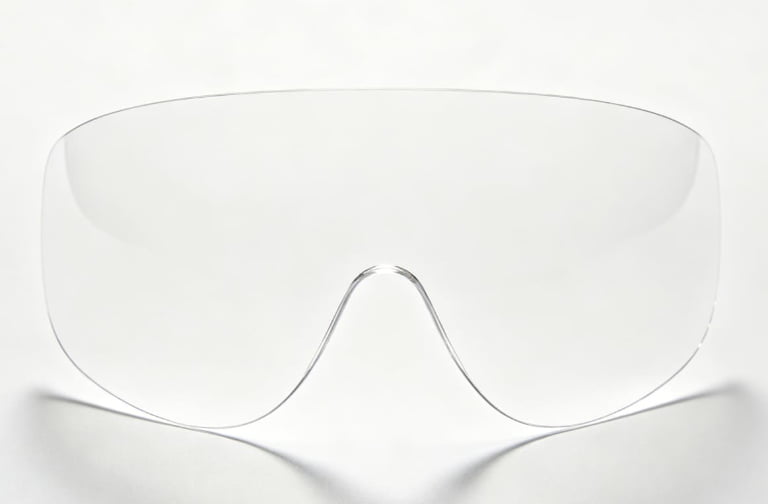
Different industries demand completely different factory coating application methods. We use massive flow coating for large flat architectural windows. We use simple dip coating3 for double-sided goggles. We use precise spray coating4 for complex curved automobile dashboard covers perfectly.
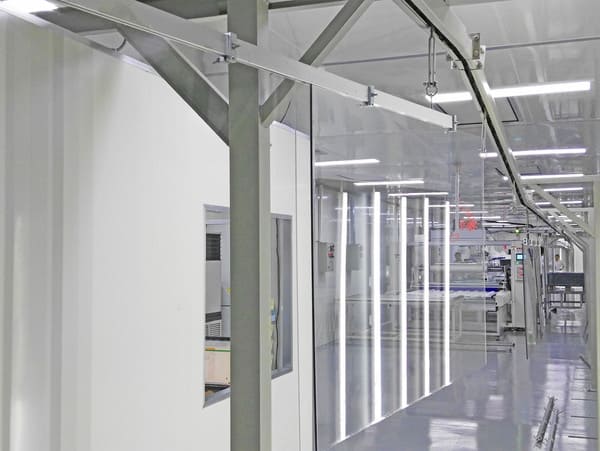
The physical shape of your plastic part fully controls our factory coating method directly. You cannot spray a massive flat building window easily. You cannot dip a huge curved airplane canopy safely.
We use the heavy Flow Coating method mostly at our factory. We pour a wide chemical liquid curtain directly over large flat polycarbonate sheets. This moves very fast. It works perfectly for huge building partitions and flat electronic displays. We switch to the easy Dip Coating method for small safety goggles. We drop the whole plastic visor directly into a deep wet chemical tank. We pull it up slowly. This coats both sides perfectly at the exact same time.
Car dashboard parts have weird deep physical curves. We must use the precise Spray Coating method for these strange shapes. A factory robot sprays tiny wet chemical mist over the curved plastic surface evenly.
The liquid curing method also matters deeply. Thermal heat curing takes many slow hours inside a giant hot oven. It builds the strongest scratch resistance safely. Fast UV curing only takes five seconds under bright light. It saves massive electrical energy securely.
| Factory Application Method | How The Machine Works | Best Product Shape |
|---|---|---|
| Flow Coating | Pour wide chemical curtain | Huge flat architectural windows |
| Dip Coating | Drop plastic into deep wet tank | Double-sided safety visors |
| Spray Coating | Robot sprays tiny wet mist | Complex curved car displays |
Why must you declare your factory thermoforming plans before buying hard coated sheets?
You buy standard hard-coated sheets quickly. You bend them in a hot oven later. The hard coating cracks like broken glass immediately. You must plan your hot factory steps early.
Standard hard coatings crack completely during hot factory thermoforming. You must tell us your exact bending and silk printing plans on day one. We supply special flexible formable hard coatings that stretch safely inside your hot ovens without breaking.
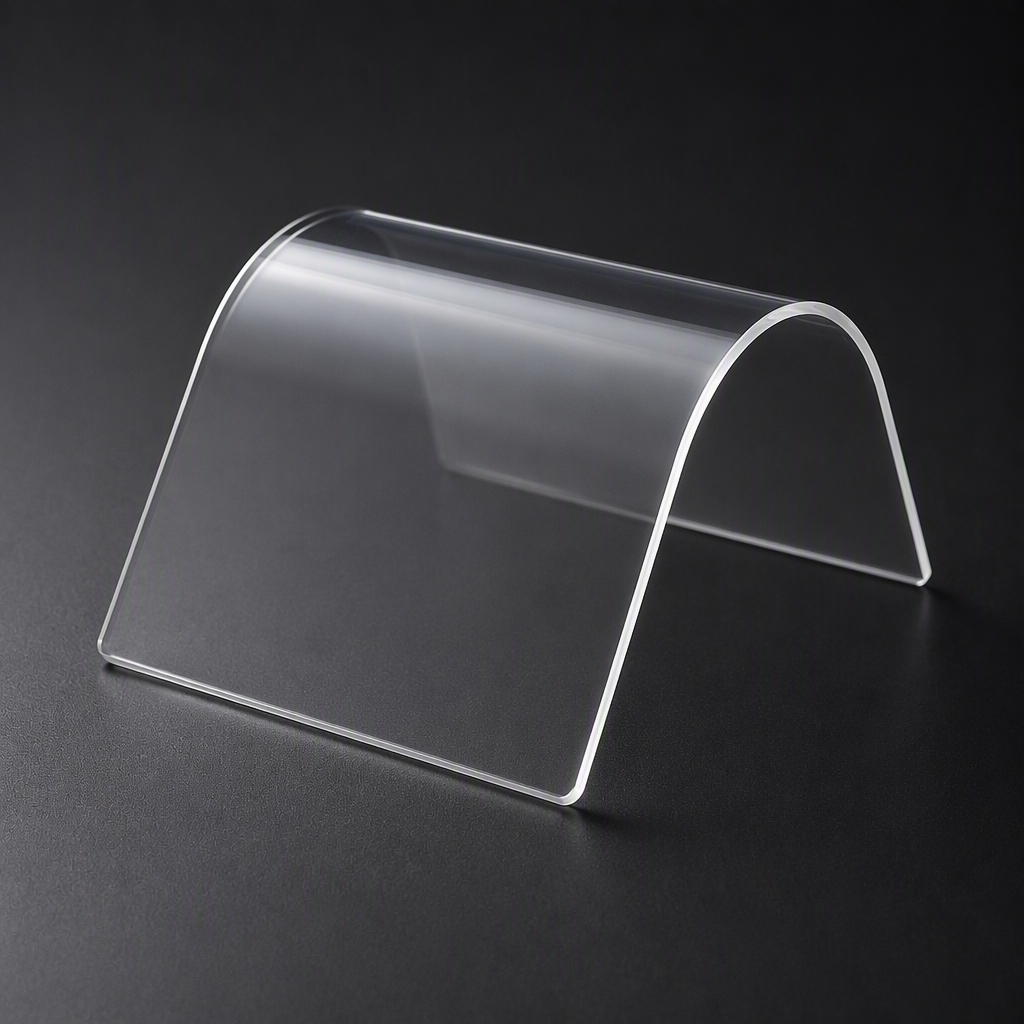
Standard hard coatings cure into a very tight solid chemical shell. They do not stretch physically. You bend the plastic sheet forcefully. The tight hard coating breaks naturally. You must explain your total factory plan to us immediately.
We make a special Formable Hard Coat specifically for hot thermoforming. This unique chemical liquid stays slightly flexible after the first heat cure. You can put it in a hot oven safely later. You can bend it into curved safety shields heavily. The flexible coating stretches cleanly with the hot soft plastic.
Silk printing causes similar huge production problems. A strong hard coating repels wet ink naturally. You print a dark logo on the surface. The ink simply falls off. We must adjust the surface chemistry carefully before you print anything.
| Post-Processing Factory Step | Danger to Standard Coating | Required VIIST Solution |
|---|---|---|
| Hot Thermoforming | Heavy chemical cracking, shattering | Use flexible Formable Hard Coat |
| Cold Bending | White stress marks, micro cracks | Design specific curve limits early |
| Wet Silk Printing | Ink falls off surface completely | Adjust surface tension dyne level |
How do we physically prove the scratch resistance and chemical strength of your plastic?
Your supplier claims the new coating is perfectly strong. The plastic scratches completely on the very first day. You must demand strict physical laboratory tests to prove true hardness.
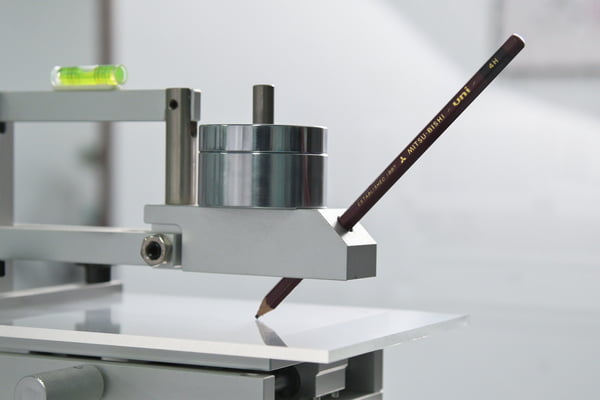
We run brutal physical tests to guarantee true surface hardness. We push sharp pencils for quick field checks. We rub heavy steel wool to simulate daily metal keys. We use strict Taber Abrasion wheels to measure actual light haze loss accurately.
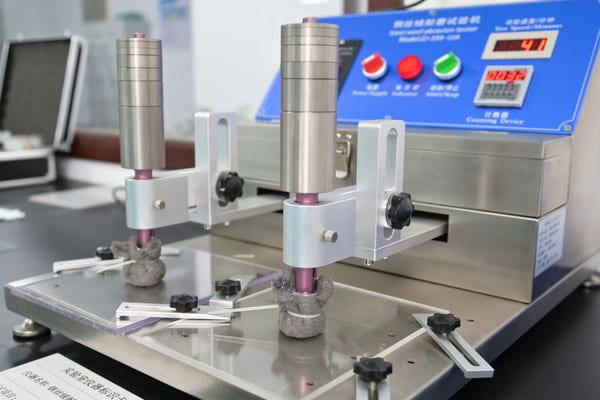
You cannot just touch a plastic sheet gently and guess its true physical hardness. We run an intense physical laboratory at VIIST daily. We must physically attack the hard coating to prove its real defensive strength completely.
We start with the fast basic Pencil Hardness Test. We take special grading pencils from soft 6B to hard 9H. We push the sharp pencil tip deeply into the clear coating. We find the exact specific pencil number that finally scratches the surface safely.
We also run the heavy Steel Wool Test constantly. We tie rough metal steel wool directly to a heavy metal weight. We drag this rough metal back and forth across the clear plastic heavily. This brutal action perfectly copies daily car keys and rough sand.
Our biggest lab machine runs the Taber Abrasion Test. This follows strict ASTM D1044 rules completely. Two heavy rough wheels spin directly on the plastic sample constantly. We measure the exact visual fog change after many spinning cycles precisely.
Finally, we run the Cross-Cut Adhesion Test. We cut a deep grid into the coating. We apply sticky tape. We rip the tape off violently. This proves the coating actually sticks to the raw polycarbonate perfectly.
| Physical Laboratory Test | How We Attack The Plastic | What We Actually Measure |
|---|---|---|
| Pencil Hardness | Push sharp pencils into surface | Exact numeric hardness level |
| Steel Wool | Drag rough metal wire heavily | Daily rough scratch survival |
| Taber Abrasion | Spin heavy rough grinding wheels | Exact visual clarity loss |
You must pick the right chemical formula, match your coating method perfectly, plan your factory bending steps early, and demand strict laboratory physical tests to guarantee perfect scratch resistance safely.
"Abrasion Resistant Polycarbonate Cut to Size", https://www.tapplastics.com/product/plastics/cut_to_size_plastic/polycarbonate_sheets_ar/517?srsltid=AfmBOoohSmdfZ1dUJdNtQ6oTXsyfUGrrHSViCzpHHc1EIEu9W2Ucsoa6. A materials study on chemically resistant hard coats for polycarbonate would support that selected coatings can improve resistance to solvents and chemicals that may otherwise attack the substrate. Evidence role: mechanism; source type: paper. Supports: Hard coatings can improve chemical resistance of polycarbonate surfaces.. Scope note: Such evidence would not support “completely,” because chemical resistance is specific to reagent, exposure time, temperature, and coating integrity. ↩
"Transparent PC/PMMA Blends Via Reactive Compatibilization ...", https://pmc.ncbi.nlm.nih.gov/articles/PMC6960502/. A polymer processing source describing co-extrusion of PMMA with polycarbonate would support that layered PMMA/PC structures can combine a harder outer PMMA surface with the toughness of a polycarbonate core. Evidence role: mechanism; source type: paper. Supports: PMMA/polycarbonate co-extrusion can produce layered sheets intended to combine surface hardness with impact resistance.. Scope note: The source would support the design rationale, not necessarily “extreme” or “massive” hardness for every co-extruded sheet. ↩
"The Thickness and Structure of Dip-Coated Polymer Films in ... - PMC", https://pmc.ncbi.nlm.nih.gov/articles/PMC9318159/. A technical source on dip coating would support that immersing and withdrawing a part from a coating bath can coat surfaces uniformly and is commonly used for simple shapes or components requiring coverage on multiple sides. Evidence role: definition; source type: education. Supports: Dip coating can apply a coating to both sides of a small plastic part by immersion and controlled withdrawal.. Scope note: Uniformity depends on withdrawal speed, viscosity, drainage, geometry, and curing, so the evidence is contextual rather than proof of perfect double-sided coating. ↩
"Autonomous Trajectory Planning for Spray Painting on Complex ... - PMC", https://pmc.ncbi.nlm.nih.gov/articles/PMC10747898/. A coatings technology reference explaining spray coating would support that atomized coating droplets can be directed onto complex or curved surfaces, including by robotic equipment. Evidence role: definition; source type: education. Supports: Spray coating is used to apply coatings to complex curved plastic parts.. Scope note: The source would support suitability for complex surfaces in general, not guarantee perfect uniformity on every dashboard geometry. ↩