Why do we strongly advise against doing silk printing after AR coating — a costly mistake in cover lens manufacturing?
You buy expensive coated glass covers. You print your logo on them and scratch the surface. You must follow the correct processing order to stop wasting your money.
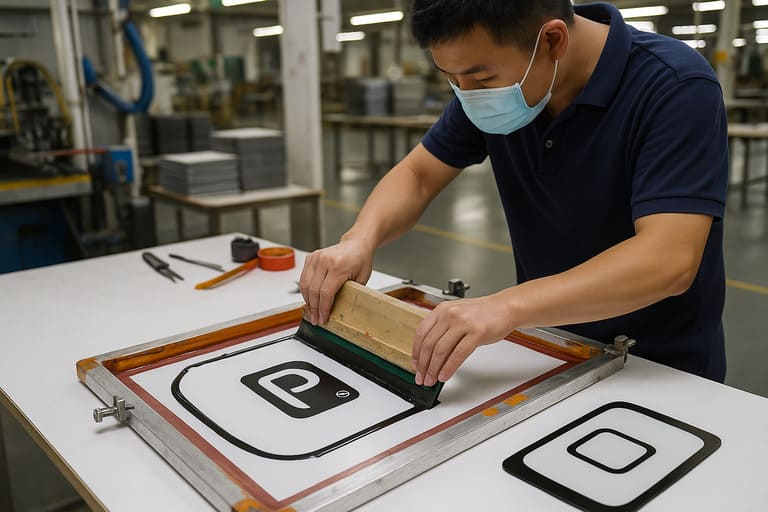
Printing after AR coating ruins the expensive layers. The high heat, sharp tools, and harsh chemicals of silk printing1 destroy the soft AR film. You must always do silk printing first, and apply the expensive AR coating last, to protect your investment and maintain a perfect display cover lens.
You must know the exact details below if you want perfectly clear screens and a highly profitable manufacturing run.
Why is Anti-Reflection (AR) the most expensive process in display cover manufacturing?
Your budget disappears fast. You pay for scrap parts instead of good products. You must understand the true cost of optical coatings to fix your production line.
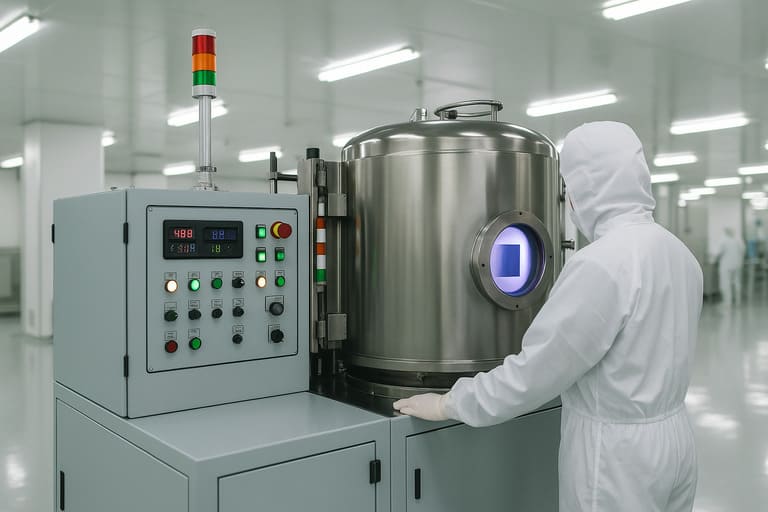
AR coating requires expensive vacuum equipment and rare materials. The machine applies four to seven tiny layers inside a vacuum chamber. This slow process costs a lot of money. You lose this huge investment immediately if your silk printing fails on top of it.
Let me explain the exact cost breakdown from my factory experience at VIIST. We apply AR coating using high-tech vacuum coating equipment. We use electron beam evaporation or magnetron sputtering machines. These massive machines cost millions of dollars to install and run. The process takes a very long time. We build a complex multi-layer structure on the display coverglass. We usually stack four to seven different oxide layers together. This slow build-up gives you perfect light transmission. The raw medicinal materials carry a high price tag.
Many clients ask us for a complete coated material first. They want to do the silk screen printing themselves later. I always tell them to stop this plan. The AR step is the biggest cost in the entire process. A small printing mistake ruins the whole glass. You throw the expensive AR layers into the trash instantly.
| Cost Factor | Detail | Impact on Production |
|---|---|---|
| Equipment | Vacuum coating machines | Huge initial investment |
| Time | 4 to 7 layer process | Slow output speed |
| Materials | High refractive index oxides | Expensive raw costs |
| Risk Level | Applying early | High financial loss if scrapped |
You must protect this expensive investment. You should never put the highest cost at the start of a risky physical process like printing.
How exactly does the silk printing process destroy a fresh AR coating?
You run your printed parts through the oven. You see ugly cracks across the screen. You must know how printing violence destroys delicate optical layers.
Silk printing involves high heat, physical scratching, and strong chemicals. The heavy squeegee scratches the soft AR layer. The high baking oven cracks the thin film. The cleaning solvents2 eat away the coating completely. The printing environment is simply too harsh for a finished delicate AR surface.
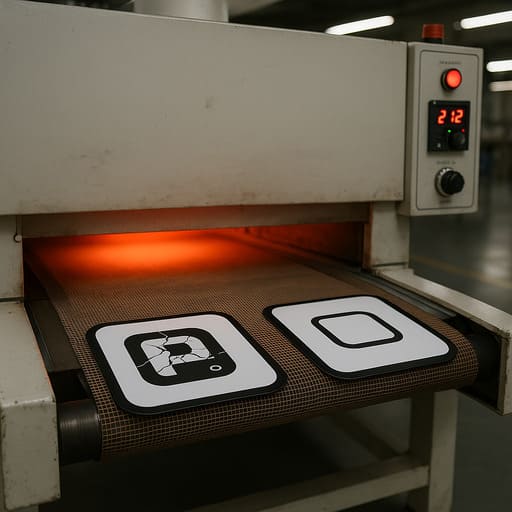
Ink needs heat to stick to the glass completely. Silk printing requires an ink curing process. The high-temperature baking oven runs between 150 degrees and 200 degrees Celsius. This extreme heat damages the thin AR structure. The high temperature causes the film to crack wide open. It changes the color of the coating. The AR layers lose their grip on the substrate. The coating slowly peels off the polycarbonate cover.
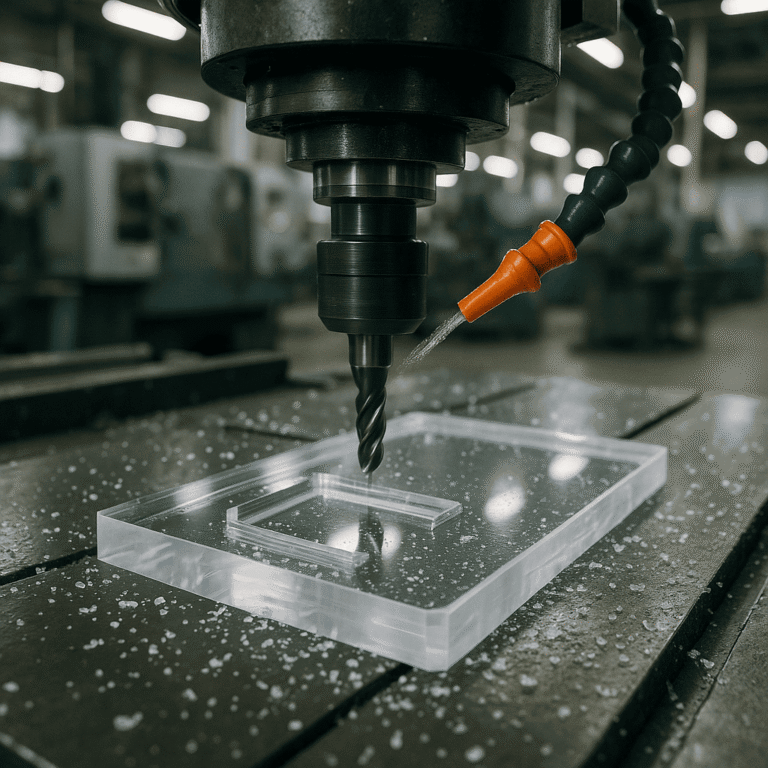
The physical contact during printing creates another massive problem. The silk screen mesh and the sharp metal squeegee press hard against the surface. Workers move and stack the parts quickly. These rough actions scratch the soft AR surface very easily. I see this failure often.
Workers also use strong cleaning solvents before they print the ink. These chemicals wash dirt away. They also erode the chemical bonds of the AR layers.
| Printing Danger | Action Steps | Damage to AR Coating |
|---|---|---|
| High Heat Bake | 150-200°C oven curing | Film cracks, color fades, peeling |
| Physical Contact | Squeegees and stacking limits | Deep scratches on the surface |
| Chemical Clean | Solvents wash the screen | Acid eats the delicate layers |
The AF layer actually goes on last. Anti-fingerprint coating acts like a shield. It provides oil protection and it protects the soft AR layers totally. You expose the bare AR to printing without this final shield.
What is the perfect sequence for manufacturing optical cover lenses?
You struggle with low yields. You argue with multiple suppliers over broken parts. You need one reliable partner and a perfect step-by-step plan to succeed.
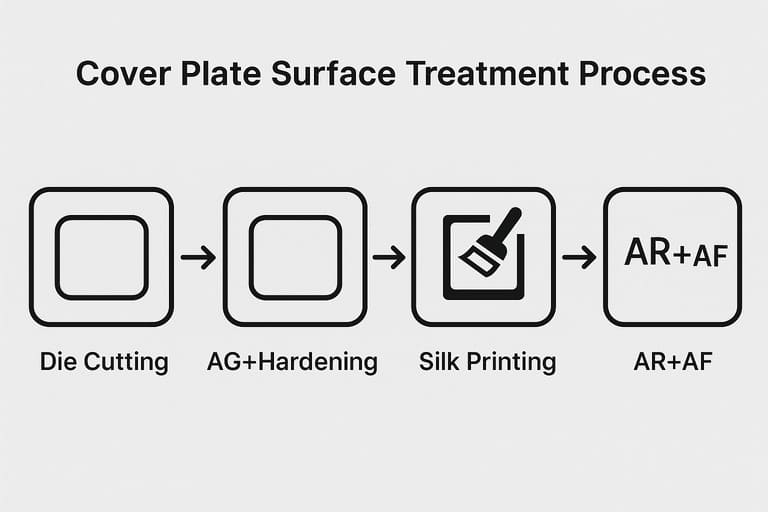
The optimal process order starts with cutting. Next, you apply AG and hard coating. Then you do the silk printing. Finally, you apply the expensive AR and AF coatings. Handing all these steps to one single supplier guarantees highest yield and lowest risk.
Some clients buy coated parts from us, and they do the printing in their own shop to save money. This split work increases the scrap risk heavily. The final cost becomes much higher. Handing everything to a single supplier like us fixes this.
| Process Step Order | Action Performed | Reason for Order |
|---|---|---|
| Step 1 | Cutting and Bending | Forms the base shape cheaply |
| Step 2 | AG and Hard Coating | Provides a tough working surface |
| Step 3 | Silk Screen Printing | Adds logos under high heat |
| Step 4 | AR and AF Coating | Applies expensive layers safely at the end |
A single supplier guarantees a single line of responsibility. We control the quality perfectly. We reduce logistics handling and stop secondary damage. Your final cost drops and your delivery arrives faster.
Never do silk printing after the AR coating. Keep printing in the middle steps to stop expensive scrap. Give one supplier the whole job for perfect quality and safety.
"Antireflective Coatings: Conventional Stacking Layers and Ultrathin ...", https://pmc.ncbi.nlm.nih.gov/articles/PMC5456762/. Optical thin-film durability literature and technical descriptions of screen printing document that multilayer anti-reflection coatings are vulnerable to thermal stress, abrasion, and chemical exposure, while screen printing commonly involves squeegee contact, solvent cleaning, and heat curing. Evidence role: mechanism; source type: paper. Supports: Silk printing after AR coating can damage delicate anti-reflection layers because the printing process involves heat curing, mechanical contact, and chemical cleaning; therefore printing should be done before the final AR coating.. Scope note: Evidence may support the damage mechanisms generally rather than the exact factory-specific process sequence or cost claims in the article. ↩
"Solution processed multi-layered thin films of Ge20Sb5S75 ... - PMC", https://pmc.ncbi.nlm.nih.gov/articles/PMC10547712/. Coating-durability literature and optical-surface cleaning guidance note that solvent exposure can affect coated surfaces depending on coating chemistry and solvent type; this supports chemical-compatibility concerns but not the claim that all cleaning solvents erode all AR layers. Evidence role: general_support; source type: institution. Supports: Solvents used before printing can pose chemical-compatibility risks for optical coatings.. Scope note: Chemical resistance is formulation-specific and solvent-specific. ↩