Transparent 3D Printer Enclosures: Acrylic vs Polycarbonate — A Complete Buyer‘s Guide?
Your expensive 3D prints warp constantly. Toxic plastic fumes fill your small bedroom. You must build a proper transparent enclosure to stop these huge failures immediately.
Acrylic offers perfect clarity and low cost for basic home PLA printing. Polycarbonate provides extreme heat resistance, fire safety, and ten times more impact strength for industrial ABS printing. You must match the exact plastic sheet to your specific printing temperature.
You might buy a cheap plastic box today blindly. That cheap plastic will melt and start a terrible fire in your house tonight. I will explain exactly how to protect your safety and your printer below.
Why do open 3D printers fail completely with advanced engineering materials?
Cold room air hits your hot ABS print directly. The plastic layers crack and split apart completely. A sealed enclosure stops this terrible temperature shift safely.
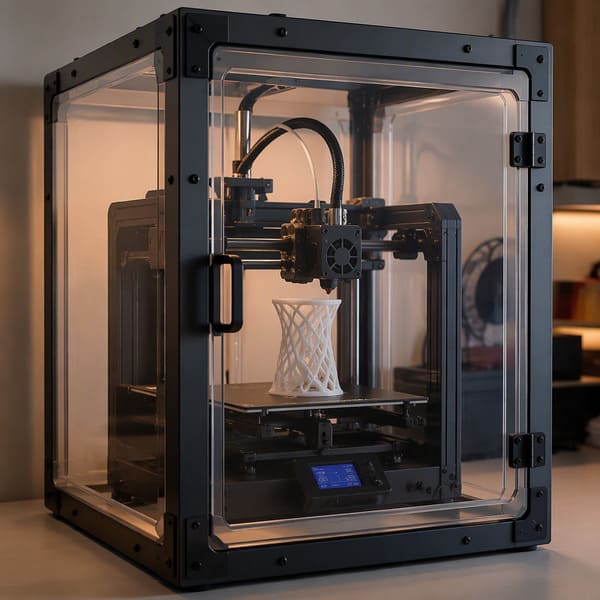
An open 3D printer suffers from rapid temperature drops, terrible dust contamination, and dangerous moving parts. A transparent enclosure creates a stable hot environment, blocks toxic fumes, stops loud motor noise, and protects human hands from serious hot burns perfectly.
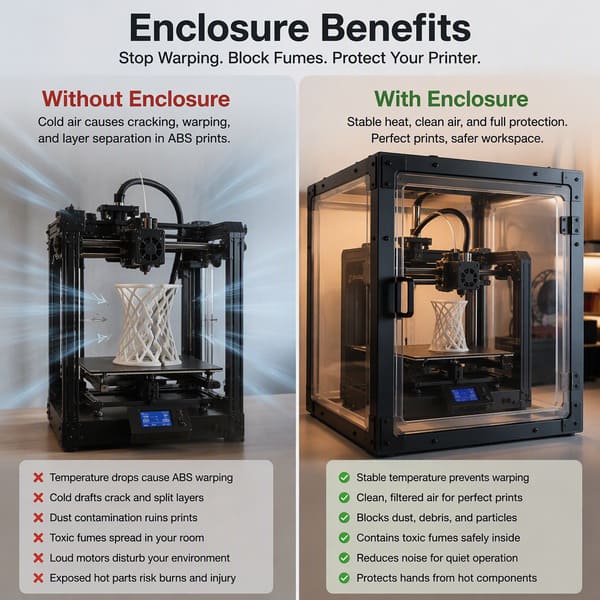
I see smart engineers waste heavy spools of expensive ABS filament constantly. They try to print huge industrial parts on a bare open machine. The cold room air cools the hot plastic layers unevenly. The printed part curls up from the bed and cracks in the middle. We call this fatal error warping. A sealed transparent enclosure traps the natural heat perfectly. It holds the inside air at a stable fifty degrees smoothly.
Open machines also push toxic fumes directly into your breathing air completely. FDM printers melt plastics and release bad chemical smells heavily. A sealed enclosure catches these dangerous particles firmly. You can add a small exhaust fan and a carbon filter later.
An open machine also creates terrible loud motor noise all night. A thick plastic box drops the machine noise from a loud seventy decibels down to a quiet thirty-seven decibels cleanly. You can finally sleep next to your running machine securely. The transparent walls let you watch the full printing process clearly without opening the door and losing the hot air.
| Open Printer Problem | Real Human Danger | Transparent Enclosure Solution |
|---|---|---|
| Cold Air Drafts | Parts warp and crack instantly | Holds steady hot temperature safely |
| Toxic Plastic Fumes | Bad smells cause sick headaches | Seals dangerous gas inside perfectly |
| Loud Motor Sounds | Motor noise stops human sleep | Thick plastic walls block sound waves |
| Hot Exposed Nozzle | Pets or children get severe burns | Strong physical barrier stops touches |
How do Acrylic and Polycarbonate actually differ for hot 3D printer visors ?
You build a tight enclosure with basic cheap plastic. The hot printer bed melts the plastic walls entirely. You must pick the correct chemical material firmly.
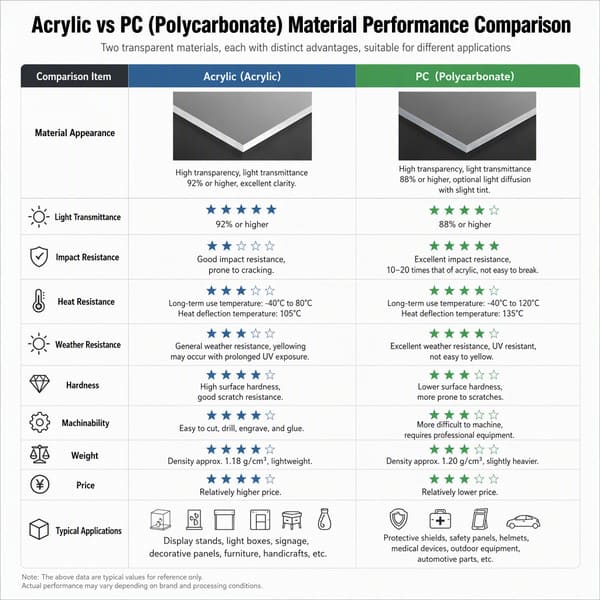
Acrylic provides maximum light transmission and cuts easily for basic home enclosures. Polycarbonate resists high heat up to one hundred twenty degrees, stops heavy impacts, and offers self-extinguishing fire safety for industrial hot printers.
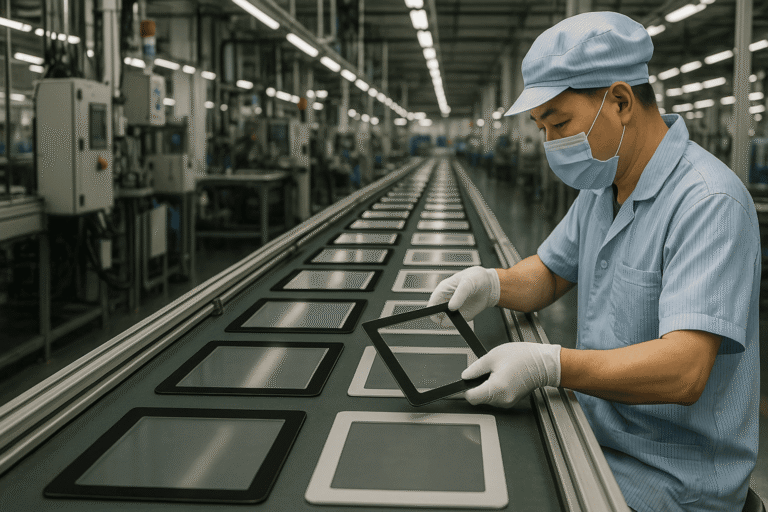
Many new buyers confuse standard acrylic and heavy polycarbonate entirely. Both materials look like clear glass originally. But these two plastics behave completely differently under heavy heat and physical stress. We test these raw sheets in our factory daily.
Acrylic acts perfectly for normal daily use. It offers ninety-two percent clear light transmission beautifully. It cuts very easily with a simple home laser cutter safely. But acrylic hates high heat fundamentally. It starts to melt near eighty degrees. It also burns quickly if a random fire starts.
Polycarbonate sits in a completely different industrial class. It survives massive physical impacts easily. It handles heavy crashes ten times better than acrylic smoothly. Polycarbonate also survives heavy heat deeply. It stays strong up to one hundred and twenty degrees firmly. This heat resistance matches a hot ABS printer bed perfectly. Polycarbonate also features a strict V-2 fire rating directly. It stops burning by itself naturally. This self-extinguishing feature saves entire buildings from total destruction safely.
How do you choose the perfect material and factory processing for your exact machine?
You buy expensive polycarbonate for a simple PLA printer blindly. You waste massive money instantly. You must match the exact plastic sheet to your true daily needs.
Home users printing normal PLA need simple acrylic sheets to save money. Industrial users printing hot ABS must pick heavy polycarbonate for strict fire safety. We cut and bend both clear materials exactly to your custom machine size perfectly.
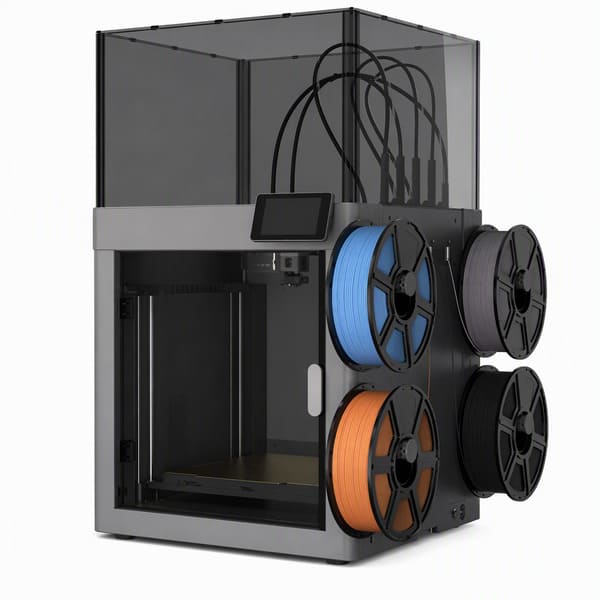
You do not need expensive military plastic for a basic home hobby toy naturally. I always tell my customers to match the material to the exact plastic filament they print daily. Home users only print basic PLA filament safely. PLA needs a cool open environment mostly. Simple acrylic works beautifully for these users to stop dust and reduce noise cleanly.
Professional schools and shared engineering shops need totally different materials firmly. Multiple students touch the machines constantly. Heavy hot nylon and ASA filaments run all day. These hot industrial filaments demand pure polycarbonate strongly. The heavy polycarbonate stops flying broken parts, survives high heat, and passes strict building fire codes perfectly.
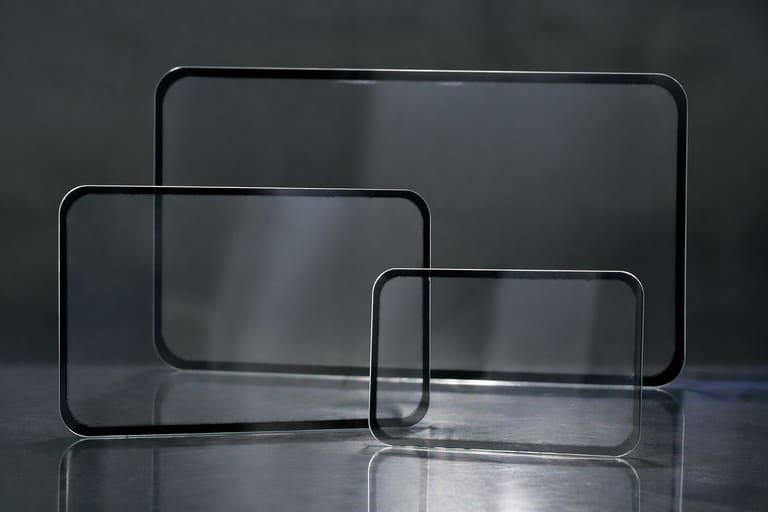
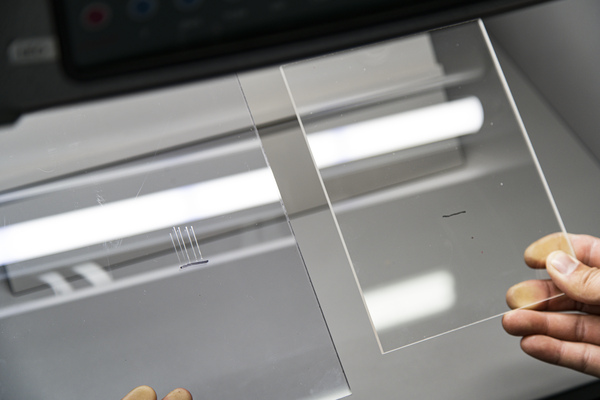
We supply both raw acrylic and tough polycarbonate sheets directly at VIIST safely. We offer completely clear sheets or dark tinted colors like grey and brown directly. We run huge CNC milling machines to cut precise ventilation holes for your fans quickly. We bend the hard sheets in hot ovens to create smooth curved corners beautifully. We can even add a tough hard coating to stop daily scratches completely.
| User Environment | Printed Material | Recommended Plastic Sheet |
|---|---|---|
| Home Bedroom | Basic PLA or PETG | Acrylic (Saves heavy money) |
| Resin Printer | Liquid SLA Resin | Acrylic (Provides best clarity) |
| School Classroom | Hot ABS or ASA | Polycarbonate (Needs fire safety) |
| Industrial Shop | Hot Nylon or PC | Polycarbonate (Handles heavy heat) |
You must pick acrylic for cheap home PLA printing or tough polycarbonate for hot industrial ABS completely. Your smart choice guarantees totally perfect 3D prints safely every single time.