Camera dome cover injection molding: what every buyer should know before production?
Your brand new security camera looks blurry on the first day. Your customer demands a total refund fast. You must learn the strict rules of optical dome manufacturing quickly.
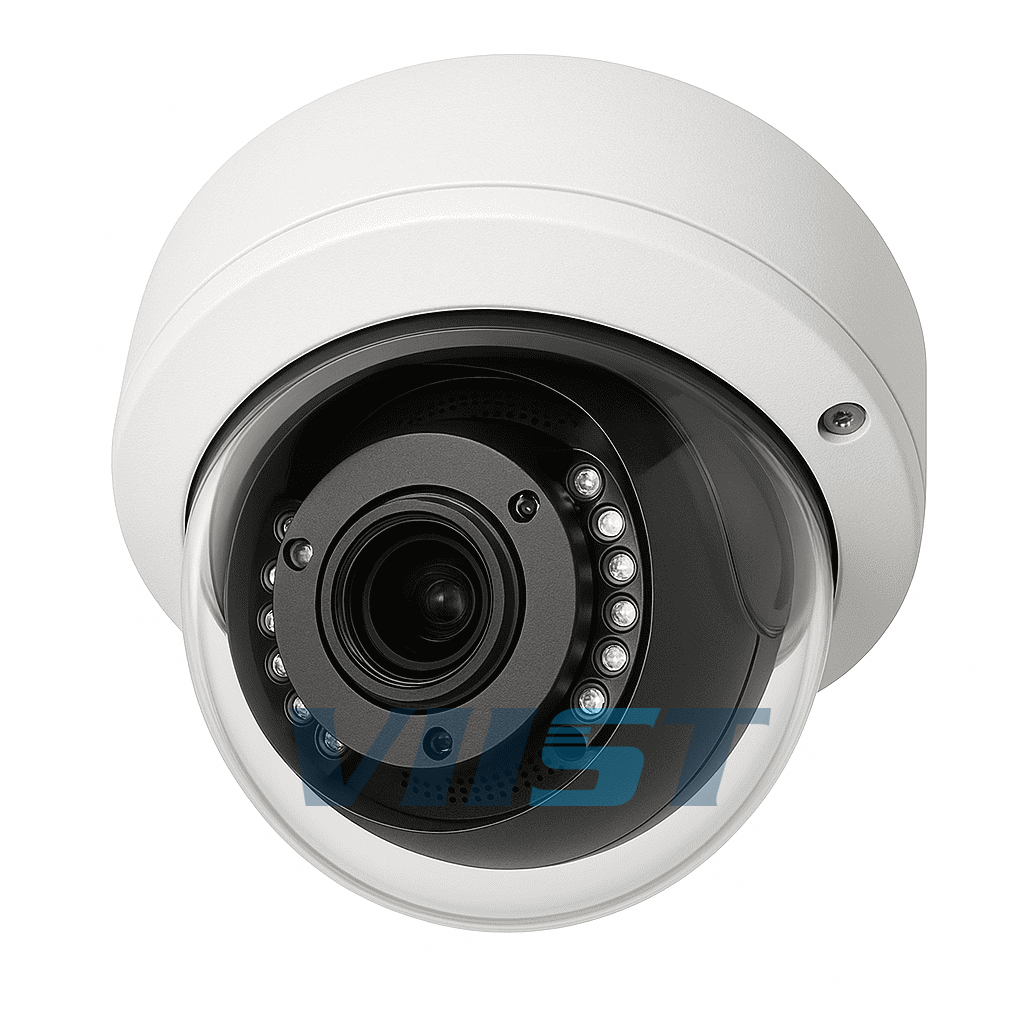
Camera dome cover injection molding requires strict optical-grade processes to ensure perfect light transmission and tough environmental protection. Buyers must completely define the physical environment, precise optical targets, and surface coatings before starting production to guarantee total success.
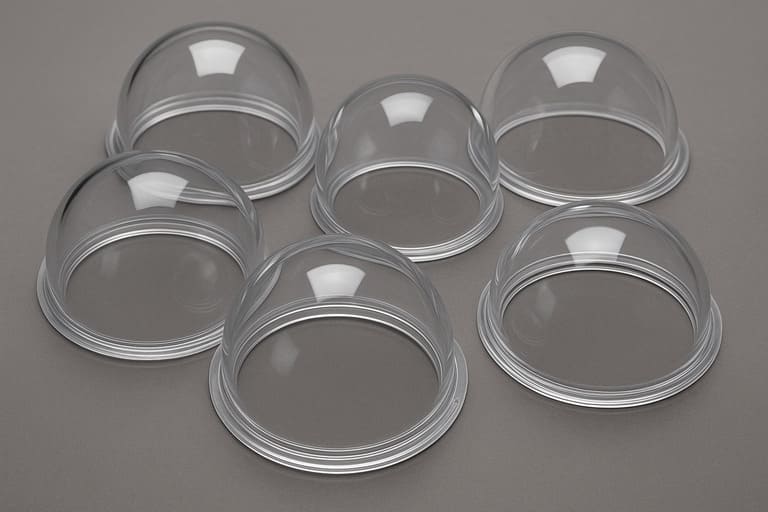
We see many companies make a terrible mistake with their supply chain. They treat camera dome covers like cheap regular plastic parts. You must read these exact rules below to save your expensive camera project from total factory failure.
Why do standard plastic factories completely fail at making camera dome cover?
You send your dome cover drawing to a cheap rubber factory. They ship you foggy plastic parts back. You must only use real optical injection molding facilities.
Standard factories fail because they lack mirror-polished optical molds1 and precision testing machines. A camera dome requires a very narrow optical injection process window. Tiny pressure changes during normal production will completely destroy the product clarity and ruin your camera.
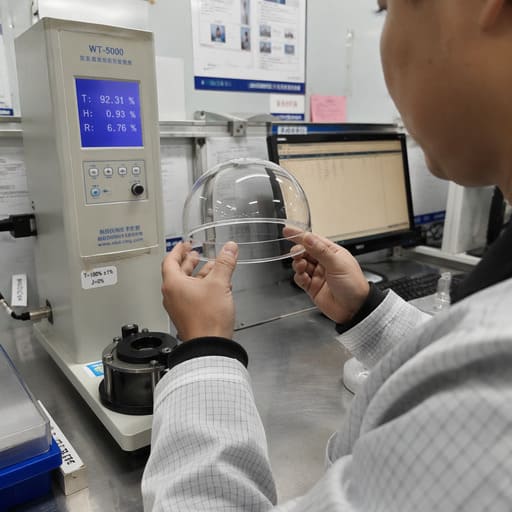
We built a highly successful vision inspection company before we started VIIST. We know exactly why cheap factories fail constantly at optical jobs. A regular hardware or rubber injection factory cannot make clear lenses. They do not own true optical-grade steel molds. A camera dome cover needs a perfect mirror polish inside the tool cavity. Any tiny metal scratch copies directly onto your clear plastic dome. This hard scratch ruins the camera image completely.
What exact equipment does an optical factory need?
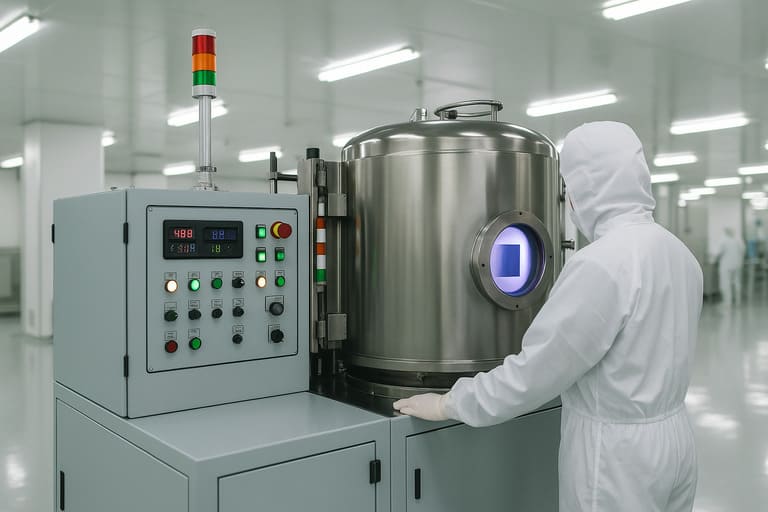
Ordinary cheap factories cannot test optical quality either. You cannot just look at the camera dome with your naked eye easily. A true optical factory uses laser interferometers. We use expensive spectrophotometers2 directly on our factory floor. We measure precise light transmission safely. We measure exact haze levels daily.
Standard hardware molding factories completely lack this expensive laboratory equipment. They rely entirely on blind luck. The optical molding process window stays very narrow. The machine temperature must stay perfectly flat. The hot injection pressure must remain totally stable. Even a small sudden change causes massive batch scrap immediately. You must pick a true optical manufacturer for this job.
| Factory Type | Mold Polish Level | Test Equipment Available | Process Control Level |
|---|---|---|---|
| Standard Plastic | Rough average finish | Basic calipers only | Very wide, cheap |
| True Optical Factory | Perfect mirror polish | Spectrophotometer, lasers | Extremely strict, exact |
How does your exact outdoor environment change the raw material and coating choice?
You install cameras on a fast moving train. Flying sand destroys the dome in one week. You must match the raw plastic to the violent local environment.
The specific daily environment completely controls your material choice and core surface treatment. Buyers must fully map out outdoor weather, flying rocks, and dust levels before ordering. This map forces the factory to pick the exact right tough plastic.
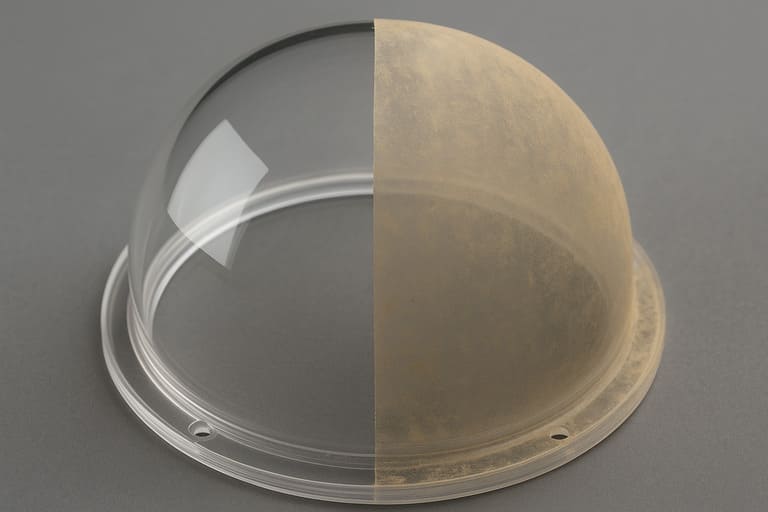
I always ask my new clients about their exact camera location first. You must tell us this vital detail early. Do not wait until we finish cutting the expensive steel mold tool. You tell us later that you will put these on a train. We cannot change the chemical coating plan easily then. Different severe environments demand completely different physical protection.
How do different jobs change the dome design?
We build camera dome covers for heavy railway trains. These fast trains drive through rough sandstorms daily. The flying sand acts like rough sandpaper constantly. We must apply a high-wear scratch-resistant coating strongly to the outer surface. Our standard indoor coating would fail in two days there.
We also build the camera dome cover for deep dirty warning mines. The camera sits in heavy dust permanently. Nobody can climb down to clean the lens safely. We must apply a special clear self-cleaning coating for this deep mine. An indoor security camera simply faces calm room air. It just needs basic anti-static dust protection normally.
| Camera Location | Main Physical Threat | Required Protective Coating Type |
|---|---|---|
| High-Speed Train | Flying sand, sharp rocks | High wear-resistant thick hard coating |
| Deep Dirty Mine | Heavy black coal dust | Advanced sticky self-cleaning coating |
| Indoor Room | Light static dust, basic touches | Normal standard clear hard coating |
What optical performance targets and strict IP ratings must you define early?
Your robot dives deep underwater. Water leaks directly into the expensive camera body. You must define tough IP ratings and optical rules before we begin.
You must specify exact light transmittance goals and strict IP dust and water ratings early. We use these precise numbers to design the watertight seal properly. Ordinary metal factories simply cannot meet or test these high optical and waterproof standards.
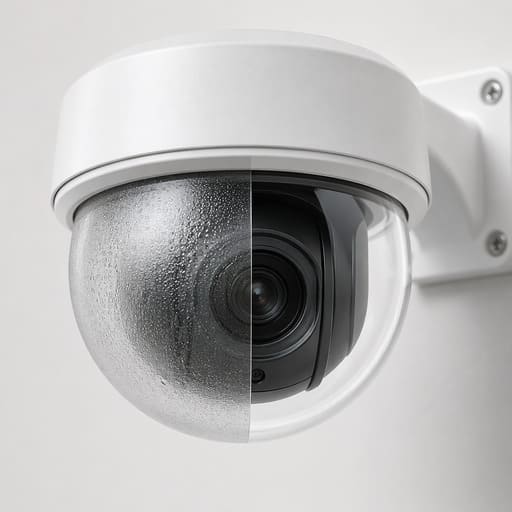
A camera dome cover acts as a crucial optical device fundamentally. It never acts as a simple metal cover. You must build a clear document with strict factory targets. You must list your exact required light transmittance percentage. You must list the maximum allowed haze level. We often use the strict ASTM D1003 testing standard3 for these precise targets. We must know these numbers clearly to choose the correct raw polycarbonate grade.
Why does the IP rating change the mold tool?
You must also lock down your exact IP rating formally. Do you need IP67 or IP68? Does your underwater ROV robot face massive water pressure deep down in the dark ocean? We must know this answer during the very first mold design phase.
We must design special physical sealing structures directly into the hard steel tool. The dome base must lock into the camera body perfectly to block deep water. General injection factories cannot test this safely. We own dedicated IP dust testing boxes at VIIST. We own heavy water pressure testing machines. We test the daily seal failure limits locally.
| Technical Target | What It Actually Measures | Why We Need It Early |
|---|---|---|
| Optical Haze | Light scattering visual blur | Decides raw material purity grade |
| IP67 Rating | Shallow temporary water survival | Decides basic base rubber seal |
| IP68 Rating | Deep continuous water pressure | Forces strong mold structure changes |
Why must we lock down the surface coating before cutting the steel mold?
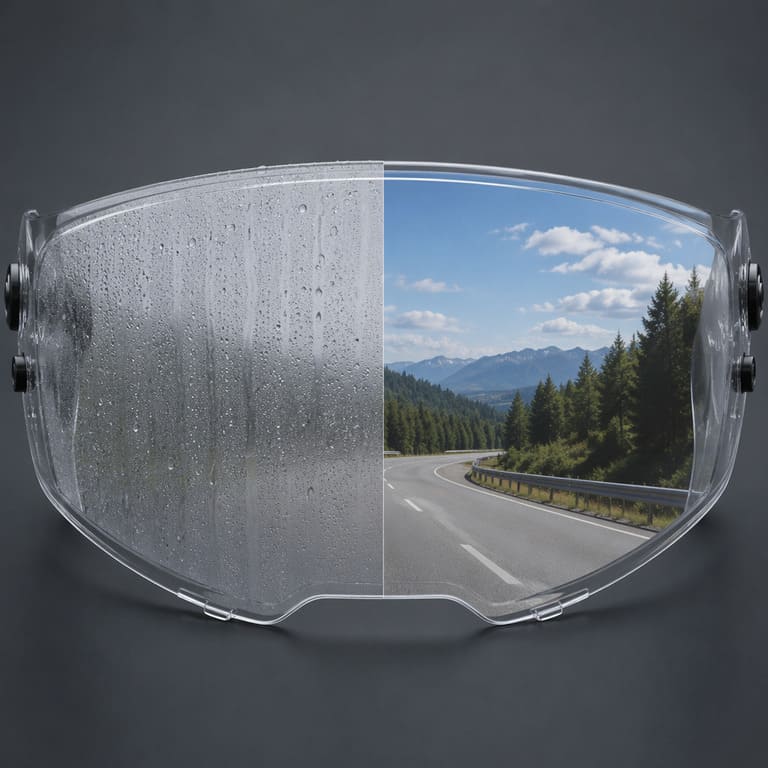
You want a new anti-fog coating suddenly. The finished plastic domes reject the wet chemicals entirely. You must plan surface chemistry during phase one.
Different chemical coatings require completely different structural compatibilities and create huge cost differences. You must lock your complete surface treatment plan during the early mold design phase. Special coatings require long validation times and specific physical mold features.
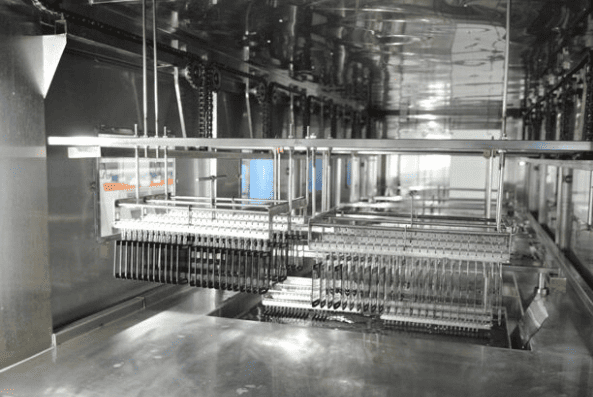
We accumulate massive camera dome manufacturing experience at VIIST over the years. We see many young buyers rush the basic mold design phase blindly. They want to get the raw plastic parts first. They plan to figure out the surface chemical coatings later. This backwards process causes total failure instantly. Different chemical treatments need specific plastic shapes to flow smoothly.
How does coating change the factory schedule?
You must determine the exact coating plan on the highly important first design day. A heavy hard coating adds real physical thickness to the clear dome. We must subtract this tiny thickness from the steel mold cavity early. The final optical focus size fails completely otherwise.
We also need long validation times for special outdoor functional coatings. The high-wear coatings and self-cleaning layers require heavy physical sample testing. You cannot rush this vital validation step forcefully. We strongly advise you to test our real physical samples in your exact outdoor environment. We gladly provide coated samples for your remote field tests. You put them outside. You watch them directly. You give us the validation result softly before we start massive mass production safely.
| Action Stage | Correct Buyer Strategy | Resulting Manufacturing Benefit |
|---|---|---|
| Mold Design Phase | Pick specific chemical coating | Ensures correct final thicknes limits |
| Sample Trial Phase | Field test the coating deeply | Proves the camera actually works outside |
| Mass Production Phase | Maintain strict original plan | Keeps yield high and final costs low |
Camera dome covers are complex precision optical devices securely. You must define environments, optical targets, and tough coatings strictly early on to prevent complete camera failure entirely.
"Review on Fabrication Technologies for Optical Mold Inserts", https://pmc.ncbi.nlm.nih.gov/articles/PMC6523957/. Studies and technical references on polymer optics manufacturing describe highly polished mold inserts as necessary for reproducing optically smooth surfaces in molded plastic components. Evidence role: mechanism; source type: paper. Supports: Standard factories fail because they lack mirror-polished optical molds.. Scope note: This supports the manufacturing mechanism but does not establish a single universal polish specification for all camera domes. ↩
"D1003 Standard Test Method for Haze and Luminous Transmittance of ...", https://www.astm.org/d1003-21.html. Spectrophotometry is used to quantify the transmission or absorption of light through materials across wavelengths, making it relevant for measuring optical plastic transmittance. Evidence role: definition; source type: encyclopedia. Supports: Spectrophotometers can be used to measure precise light transmission in optical plastic parts.. Scope note: This supports the measurement method generally, not the specific factory’s equipment ownership or daily testing practice. ↩
"Standard Test Method for Haze and Luminous ...", https://www.academia.edu/30137927/Standard_Test_Method_for_Haze_and_Luminous_Transmittance_of_Transparent_Plastics_1. ASTM D1003 is a standard test method used to measure haze and luminous transmittance of transparent plastics. Evidence role: definition; source type: institution. Supports: ASTM D1003 is used to measure haze and light transmittance of transparent plastics.. Scope note: The standard defines a test method; it does not by itself specify acceptable haze or transmittance limits for camera domes. ↩