Polycarbonate helmet visors: a complete manufacturing guide for motorcycle, military, and firefighting applications?
Your new helmet visors distort vision and crack instantly. Small factory batches cost a massive fortune. You must find a reliable manufacturing method to stop these huge daily financial losses.
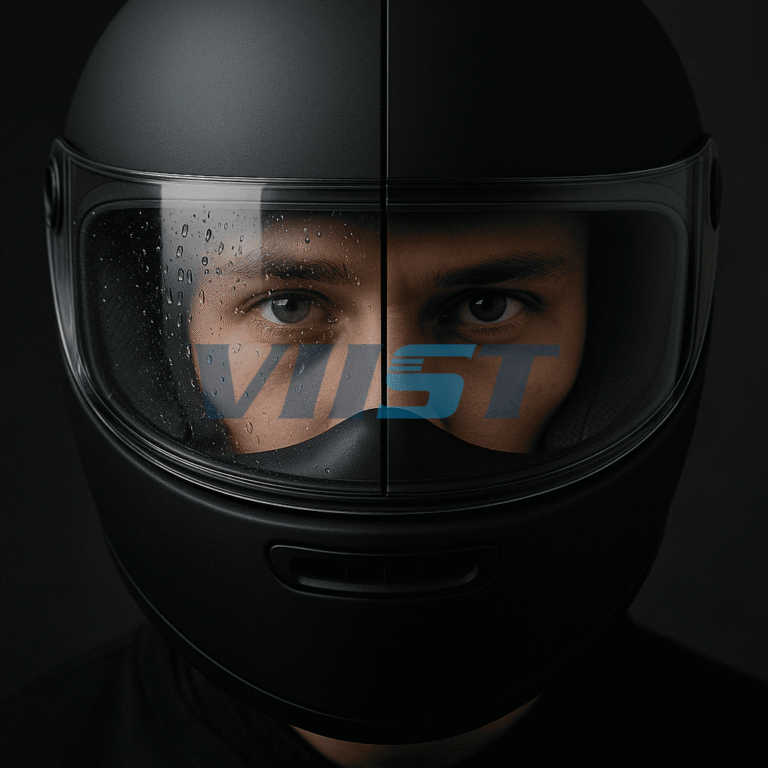
Polycarbonate helmet visorsPolycarbonate helmet visors provide supreme impact protection and clear vision safely. You must choose exact manufacturing methods like thermoforming for cheap small batches or injection molding for huge volumes. Proper cleanroom factory processes prevent terrible optical distortion completely.
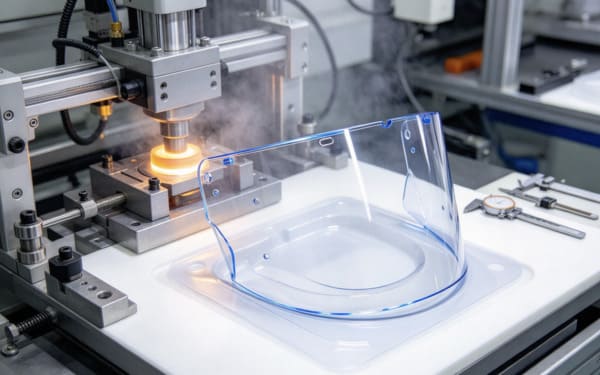
You must read these exact factory rules below if you want your protective helmets to survive brutal real-world conditions safely.
How do different helmet types demand totally unique polycarbonate visor specifications?
Firefighters melt normal visors quickly. Motorcycle riders suffer terrible sun glare blindly. You must match the exact plastic thickness and chemical coating to your specific daily industry danger.
Different industries face totally unique physical threats daily. Motorcycle visors need clear anti-fog coatings. Military shields require very thick ballistic polycarbonate. Firefighting visors demand extreme heat resistance. Sports goggles need fast photochromic light changes safely.
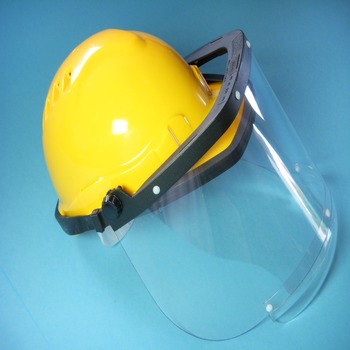
I see many new buyers use the exact same plastic for totally different jobs blindly. You cannot put a basic sports visor on a heavy military helmet safely. The military helmet requires a massive physical shield directly. We use thick polycarbonate sheets from two to five millimeters heavily. This thick plastic passes strict MIL-DTL-43511 ballistic standards completely. It stops heavy flying metal safely.
Firefighters face massive heat and heavy smoke constantly. A normal plastic visor melts onto their face instantly. We build specific thermal firefighting visors directly. These special shields resist extreme high temperatures firmly. They also carry thick chemical anti-fog coatings to keep vision clear near hot flames. They pass strict EN166 standards securely.
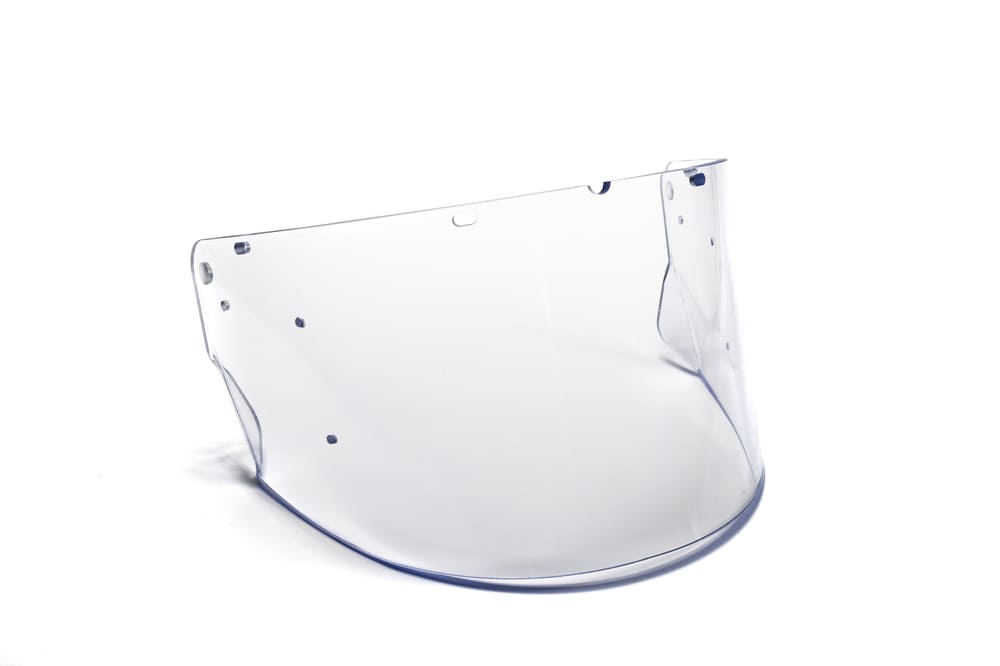
Motorcycle riders face terrible sun glare and fast flying bugs tightly. We inject crystal clear polycarbonate to stop optical distortion completely. We add strong hard coatings to block rough bug scratches safely. Skiers and bicycle riders need very light plastic. We thermoform thin polycarbonate sheets quickly. We add cool REVO mirror1 colors to block bright snow glare beautifully.
| Helmet Industry Target | Core Physical Threat | Required VIIST Solution |
|---|---|---|
| Motorcycle Riding | Flying bugs, cold fog | Clear injected PC, anti-fog coating |
| Military / Riot | Fast bullets, heavy rocks | 2-5mm thick ballistic PC sheet |
| Firefighting Rescue | Extreme heat, thick smoke | Thermal PC, chemical EN166 coating |
| Winter Skiing | Bright sun, heavy snow | Thin formed PC, REVO mirror coating |
Why do standard surface coatings fail completely during hot factory bending?
You bend a coated visor in a hot oven. The expensive coating shatters instantly. You must buy special formable chemical coatings to survive hot factory shaping securely.
Basic anti-fog and hard coatings cure into a tight rigid chemical shell. This hard shell cracks completely during hot thermoforming. You must tell your factory to use a special formable coating formula. This flexible chemical stretches safely during hot bending.
I watch angry customers scream about broken coatings every single month. They buy cheap flat coated sheets from a random supplier blindly. They push these flat sheets into a hot bending machine. The cheap anti-fog coating cracks into a million tiny white lines instantly. The hard coating flakes off completely.
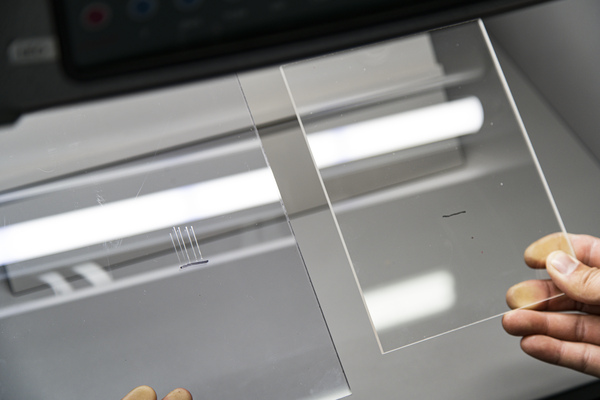
You must match your chemical coating to your future factory shape firmly. We use special formable anti-fog liquids directly. This hydrophilic chemical absorbs wet moisture beautifully. It also stays flexible inside the hot oven safely. It stretches smoothly over a curved motorcycle visor completely. We use similar flexible silicone hard coatings heavily. They reach a strong high pencil hardness. They also pass brutal steel wool tests safely.
Modern riders also demand smart photochromic coatings constantly. These special chemical layers darken automatically under bright ultraviolet sun rays completely. They return to clear glass indoors quickly. We protect this sensitive photochromic layer directly under a clear polycarbonate shell securely. We also apply cool REVO mirror coatings tightly. These multi-layer metallic coatings bounce terrible sun glare away safely. We even combine photochromic dark shifts with bright ice-blue REVO mirrors together beautifully.
| Chemical Coating Type | Main Visual Function | Crucial Factory Requirement |
|---|---|---|
| Anti-Fog Liquid | Absorbs wet hot breath | Must stretch during hot bending |
| Hard Silicone Coat | Stops rough deep scratches | Needs formable flexible chemistry |
| Photochromic Layer | Darkens in bright sun | Requires clear PC outer protection |
| REVO Mirror Finish | Blocks bright metal glare | Needs precise cleanroom application |
Should you choose cheap thermoforming or expensive injection molding for your visor order?
Big factories reject your small hundred piece order quickly. They demand huge expensive metal molds. You must use simple thermoforming to launch your small helmet brand cheaply.
Thermoforming uses cheap molds to bend flat sheets for small quick orders easily. Injection molding uses massive expensive steel tools to shoot liquid plastic for huge perfect orders securely. You pick the exact process based on your total order size entirely.
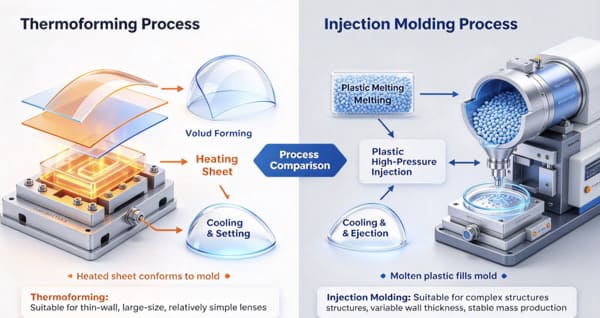
This single factory choice decides your total business success entirely. Many small startup brands contact huge injection molding factories blindly. The factory demands a massive ten thousand piece minimum order instantly. They also charge a huge expensive fee for the heavy metal mold directly. The small startup goes bankrupt immediately.
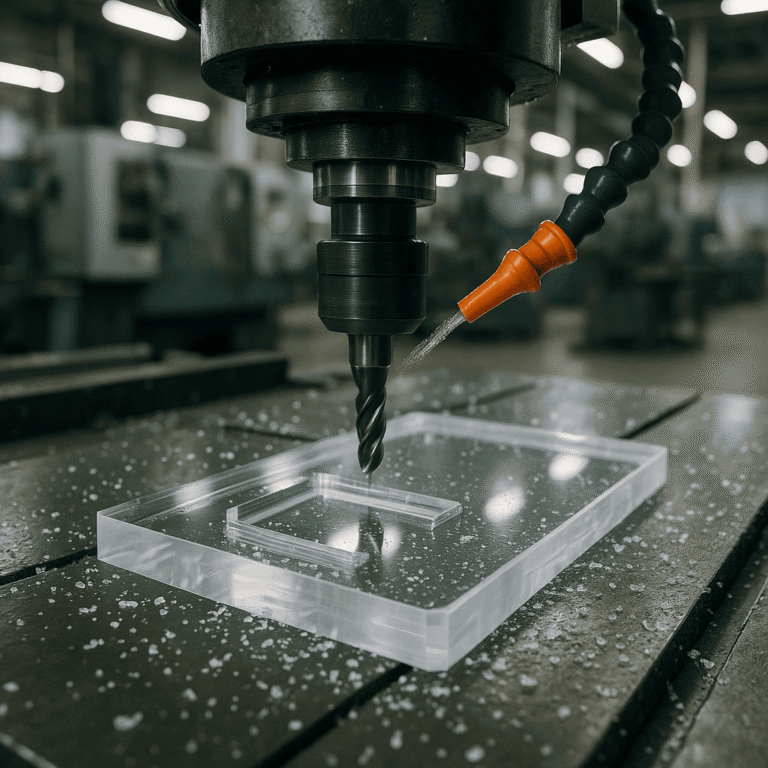
We build a simple mold for thermoforming very cheaply. The tool costs ten times less than a huge injection mold entirely. We can make a physical prototype visor in just Ten quick days securely. We even accept tiny orders of five hundred pieces smoothly. Thermoforming bends flat polycarbonate sheets beautifully. It works perfectly for basic safety visors.
Huge famous motorcycle brands need pure optical perfection constantly. They must use heavy injection molding directly. We build complex optical compensation molds precisely. We shoot hot liquid polycarbonate into this heavy mold rapidly. This intense process removes all optical distortion completely. The final visor offers perfect clear vision totally. This expensive process makes perfect sense for huge orders above ten thousand pieces heavily.
| Factory Production Method | Mold Tool Cost | Minimum Order Size | Best Customer Type |
|---|---|---|---|
| Thermoforming | Very cheap and fast | 500 pieces softly | Small fast startup brands |
| Injection Molding | Very heavy and expensive | 10,000 pieces firmly | Huge rich global brands |
How does a complete cleanroom factory stop multi-vendor quality disasters completely?
You buy plastic here and coat it there. The parts get dirty and fail completely. You must use one single clean factory to control perfect optical quality securely.
Moving clear plastic parts between different dirty factories ruins them instantly. Tiny dust particles destroy optical clarity completely. We do the plastic injection, chemical coating, CNC cutting, and final assembly inside one single Class 1000 cleanroom smoothly. This guarantees perfect quality totally.

I see customers build completely broken supply chains blindly. They buy raw plastic sheets from supplier A cheaply. They ship the sheets to supplier B for a wet chemical coating. They send the coated sheets to supplier C for rough cutting. Every single truck ride adds thick dirty dust completely. Every single factory blames the other factory for huge terrible failures. The final yield drops below fifty percent heavily.
We stop this stupid factory nightmare at VIIST completely. We built a massive strict Class 1000 cleanroom securely. Clean air blows from the ceiling constantly. Workers wear full white suits safely. The product never leaves this perfectly clean room entirely.
We melt the raw plastic pellets directly. We shoot the clear visor inside the cleanroom safely. The robot moves the clean visor directly into the wet coating line smoothly. The strong anti-fog coating cures perfectly without a single piece of dust tightly. Our sharp CNC machines cut the final edges directly inside the exact same room safely. This complete vertical factory flow guarantees a massive ninety-nine percent quality rate entirely. You never argue with three different messy suppliers again.
| Production Step | Multi-Vendor Problem | VIIST Cleanroom Solution |
|---|---|---|
| Plastic Injection | Dirty truck transport | Moves via clean robot arm |
| Chemical Coating | Dust ruins wet liquid | Class 1000 clean air ceiling |
| CNC Edge Cutting | Scratches from bad handling | Same room careful handling |
| Final Assembly | Nobody takes blame | We take total responsibility |
You must match your exact polycarbonate thickness, pick formable chemical coatings carefully, choose the right factory mold, and demand a perfect cleanroom process to build successful safe helmet visors.
"50 YEARS OF NASA-DERIVED TECHNOLOGIES (1958- ...", https://spinoff.nasa.gov/Spinoff2008/pdf/spinoff2008.pdf. A neutral optics or NASA Spinoff source can substantiate that Revo-style mirrored lens coatings derive their glare-reducing function from thin-film reflective coating layers that reflect selected wavelengths and reduce transmitted bright light. Evidence role: mechanism; source type: government. Supports: REVO mirror coatings use multilayer reflective coatings to reduce bright sun glare on helmet visors.. Scope note: Evidence may support mirrored thin-film lens coatings generally rather than the specific commercial naming or performance of a given supplier’s “REVO mirror” coating. ↩